Understanding Bed Bug Heat Treatment
What Is Bed Bug Heat Treatment?
Bed bug heat treatment is a highly effective method for eradicating these persistent pests by raising the ambient temperature to lethal levels for bed bugs. This technique employs specialized equipment designed to increase temperatures within infested areas, typically aiming to reach around 120°F to 135°F (49°C to 57°C) or higher. The heat is capable of penetrating furniture, cracks, and crevices, effectively killing all stages of bed bugs, including eggs, nymphs, and adults, without the need for toxic pesticides. As more homeowners seek safe pest control methods, bed bug heat treatment has gained popularity due to its efficacy and non-toxic approach.
How Heat Treatment Works
Heat treatment operates on the principle that bed bugs cannot survive at elevated temperatures. The process typically involves the following steps:
- Preparation: The space is prepared by removing clutter and pre-treating certain areas as directed by professionals.
- Heating: Specialized heaters are strategically placed in the infested room to elevate the temperature. These devices ensure uniform heat distribution.
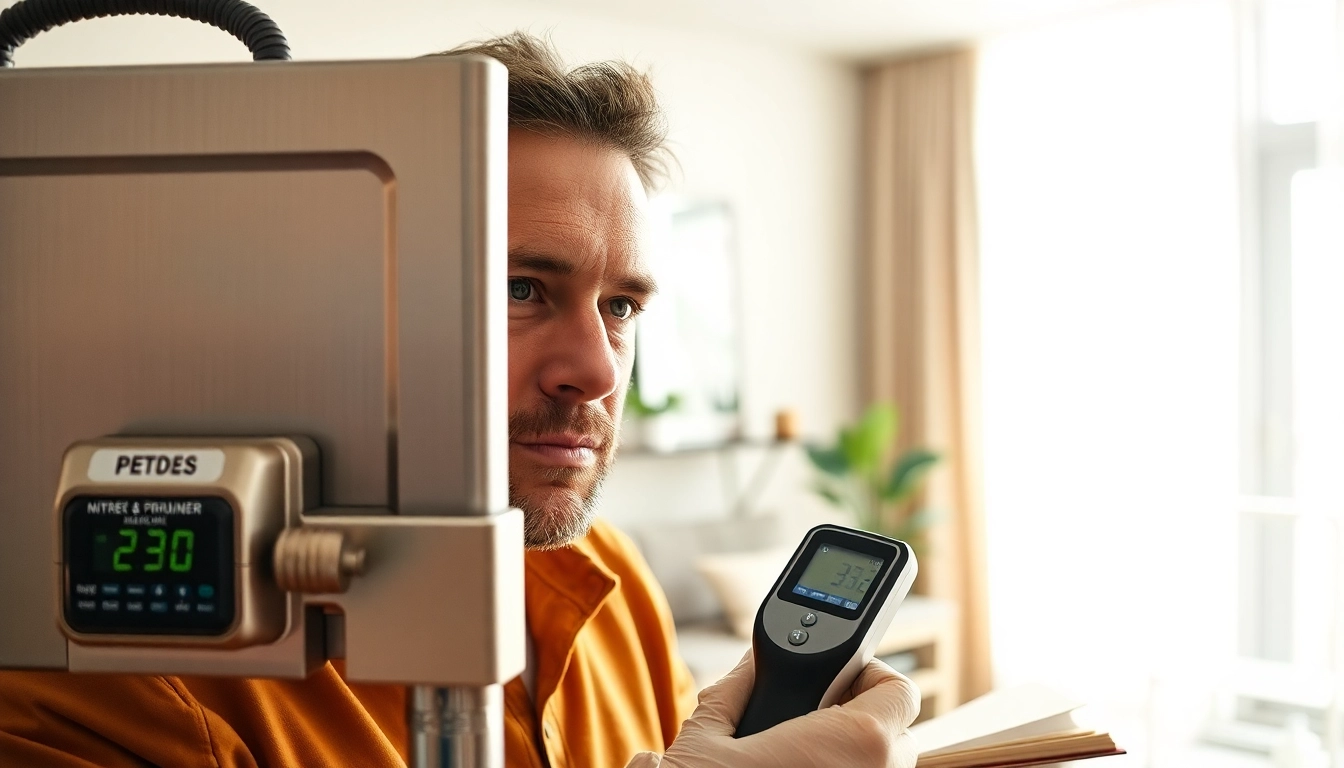
- Monitoring: Technicians continuously monitor the temperature using thermometers and infrared technology to ensure that it reaches the necessary levels throughout.
- Duration: The heat is maintained for several hours, typically between four to eight hours, ensuring all bed bug life stages are killed.
Benefits of Using Heat for Bed Bugs
Using heat treatment to combat bed bugs offers numerous advantages:
- Effectiveness: This method can kill bed bugs in all life stages, including eggs.
- Non-toxic: Unlike many chemical treatments, heat treatment does not involve harmful pesticides, making it safer for children and pets.
- Quick Results: Heat treatment can eliminate bed bug populations in a single day, drastically reducing the time and disruption compared to traditional methods.
- Environmental Impact: This eco-friendly option does not contribute to chemical pollution and can lead to healthier living conditions.
Preparing for Bed Bug Heat Treatment
Assessing the Infested Area
Before beginning the heat treatment process, a thorough assessment of the infested area is essential. This involves inspecting furniture, bedding, and surrounding areas to gauge the extent of the infestation. In some cases, bed bugs may be located in hard-to-reach areas, such as wall gaps and under carpets, necessitating a detailed examination. Homeowners should also take inventory of items that may be sensitive to heat.
Items to Remove Before Treatment
To ensure the effectiveness of the bed bug heat treatment, certain items should be removed from the treatment area:
- Electronics, including computers and televisions, should be relocated to prevent damage from heat.
- Plants and certain types of artwork may need to be taken out to ensure their integrity.
- Items like medicines and personal care products that can be affected by high temperatures should also be removed.
- All linens, clothing, and textiles should be washed and dried on high heat to reduce the risk of re-infestation.
Safety Precautions to Consider
Implementing safety precautions is crucial for a successful bed bug heat treatment:
- Professional Assistance: Engaging trained professionals ensures that the treatment is conducted safely and effectively.
- Clear Communication: Homeowners should communicate any concerns or special items with the technicians beforehand.
- Pet Safety: Pets should be removed from the treated area to protect them from extreme temperatures.
Executing a Successful Bed Bug Heat Treatment
Setting Up the Equipment
The setup of heat treatment equipment is crucial for its success. Professionals use specialized heaters that can circulate warm air throughout the treated space. These heaters must be positioned effectively to cover all areas, including corners and furniture, while avoiding direct contact with flammable materials. This setup might also include fans to help distribute heat evenly.
Monitoring Temperature Levels
Monitoring the temperature levels during treatment is paramount to its success. Technicians use digital thermometers and infrared cameras to track temperatures in various areas of the room, ensuring that all parts of the space reach at least 120°F for sufficient time. It’s essential to maintain these conditions to guarantee effective eradication of bed bugs.
Duration and Follow-Up Actions
Once the target temperature is achieved, maintaining heat for a sufficient duration is key, typically around four to eight hours. Following treatment, follow-up actions include an in-depth inspection of the treated area for any remaining bugs, vacuuming, and potentially applying preventative measures to reduce the chances of future infestations.
Post-Treatment Best Practices
Cleaning and Decluttering
After treatment, cleaning and decluttering are essential for preventing re-infestation. Implementing a regular cleaning schedule, including vacuuming and washing linens, can help maintain a bug-free environment. Consider using protective covers for mattresses and pillows, which can offer additional security against bed bugs.
Signs of Effective Treatment
Post-treatment inspections should focus on key indicators of success. Homeowners should look for the absence of live bugs, bed bug droppings, and shed exoskeletons, as these signs affirm the heat treatment's effectiveness. It’s always wise to observe the area for several weeks to identify any potential signs of return.
When to Seek Professional Help
If signs of bed bugs reappear despite following post-treatment practices, it may be necessary to seek professional assistance. Continuous problems could indicate incomplete eradication or new infestations. Professionals can offer additional treatments or diagnostic assessments tailored to specific situations.
Common Myths About Bed Bug Heat Treatment
Debunking Common Misconceptions
Several myths surround the efficacy of heat treatment for bed bugs. One common misconception is that heat treatment alone can address all bed bug problems without follow-up actions. This misunderstanding can lead individuals to believe that once treatment is completed, the issue is resolved. In reality, regular monitoring and cleaning remain crucial components in maintaining a bed bug-free environment.
Heat Treatment vs. Chemical Treatment
Some people argue that chemical treatments are more effective than heat, but this perspective often fails to recognize the comprehensive benefits of heat treatment. Unlike chemicals, which can cause resistance in pests and leave residues, heat treatment provides a thorough and immediate solution, at times in just one application.
Understanding the Limitations of Heat Treatment
Despite its effectiveness, heat treatment is not without limitations. It may not reach inaccessible areas where bed bugs might harbor or hide, and temperature-sensitive items must be removed from the treatment zone. Additionally, improper execution by untrained individuals can lead to subpar results, emphasizing the need for professional intervention.
Frequently Asked Questions (FAQs)
1. How effective is bed bug heat treatment?
Bed bug heat treatment is highly effective, killing all life stages of bed bugs within a few hours when executed correctly, typically achieving a temperature of 120°F to 135°F.
2. Is heat treatment safe for furniture and belongings?
Yes, heat treatment is generally safe for most furniture and belongings, although sensitive items like electronics and certain textiles should be removed or protected during the process.
3. How long does heat treatment take?
The actual treatment process usually takes about four to eight hours, but preparation and follow-up can extend the overall time needed.
4. Can I perform bed bug heat treatment myself?
While DIY methods exist, bed bug heat treatment is best performed by professionals with specialized equipment to ensure efficacy and safety.
5. What should I do after heat treatment?
After treatment, clean and declutter the area, monitor for any signs of bed bugs, and continue normal cleaning practices to safeguard against re-infestation.