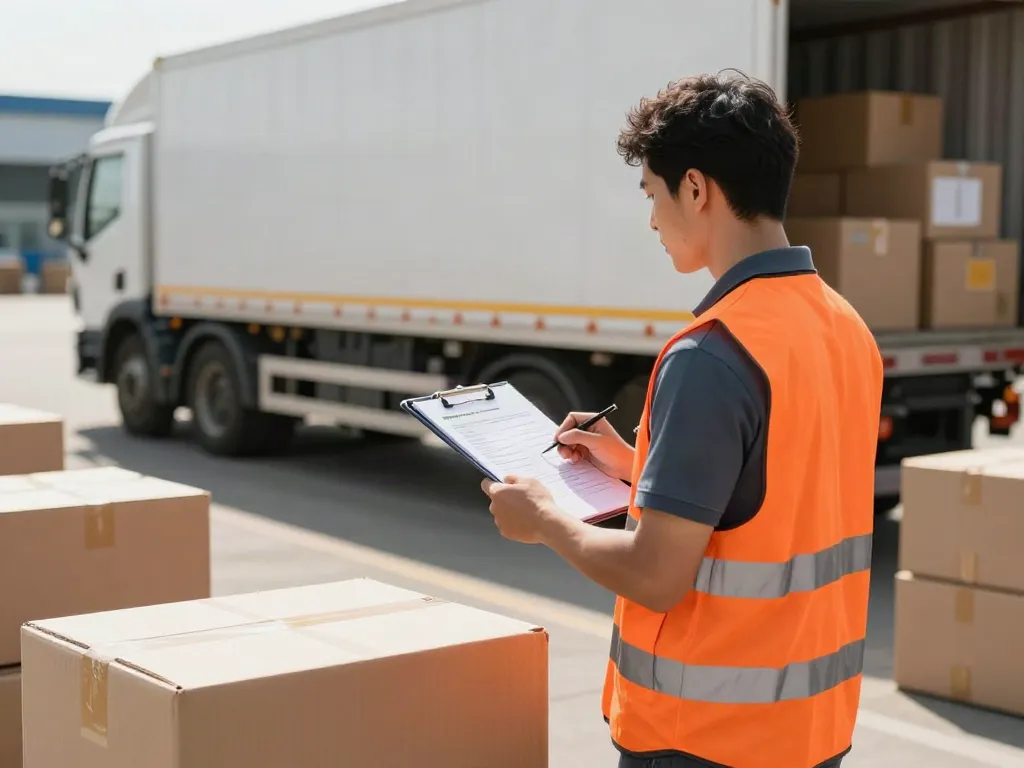
Understanding International Parcel Delivery
In an increasingly interconnected world, the significance of seamless international parcel delivery cannot be overstated. Businesses and individuals alike are seeking reliable services to ship packages across borders efficiently. This necessity has been amplified by the growth of e-commerce and global trade, which demand prompt and safe delivery options. As consumers become more reliant on online shopping, the logistics industry is tasked with meeting these heightened expectations, ensuring that parcels reach their destinations in a timely manner.
What is International Parcel Delivery?
International parcel delivery refers to the process of shipping packages from one country to another. This involves various stages including collection, customs clearance, transit, and final delivery. Major players in this sector include carriers like DHL, UPS, FedEx, and regional companies such as Davo Group. Each of these providers has distinct service offerings tailored to meet specific shipping needs, whether for personal items, business packages, or perishable goods.
Importance of Timely Deliveries in Today's Economy
Timely deliveries are crucial in today's fast-paced economy. Businesses rely on international parcel delivery to maintain inventory levels, meet customer demands, and uphold their reputations. Moreover, customers expect their products to arrive quickly, often within a few days of placing an order. Delays can lead to dissatisfaction and can harm a company's brand image, making efficiency a top priority for logistics providers.
Challenges Faced in Global Shipping Logistics
The logistics industry faces several challenges that can affect international parcel delivery. These include:
- Customs Regulations: Navigating the complex rules and documentation required for customs clearance can delay shipments and increase costs.
- Transport Infrastructure: Varying levels of infrastructure quality across countries can impact delivery speed and reliability.
- Security Concerns: Ensuring the safety of parcels during transit is paramount, but can be compromised by theft or loss.
- Weather Conditions: Adverse weather can cause delays and complicate transportation logistics.
Key Benefits of Using Professional Parcel Services
Opting for a professional parcel service provider offers numerous advantages that can enhance the efficiency and reliability of international shipping.
Cost-Effectiveness and Pricing Structures
Many international courier services provide competitive pricing structures that can lead to significant cost savings for businesses and individuals. Bulk shipping discounts, pre-paid shipping options, and flat rates for standard parcels reduce the financial burden of shipping. Understanding various pricing models can help customers choose the most cost-effective options based on their shipping volume and frequency.
Reliability and Trustworthiness of Established Operators
Choosing a reputable parcel service ensures that shipments are handled by experienced professionals. Established operators have systems in place to manage potential issues that may arise during transit. This reliability fosters trust and confidence, which is crucial when sending valuable or sensitive items internationally.
Tracking and Transparency in Shipment Processes
Modern logistics companies provide advanced tracking systems that allow senders and recipients to monitor their parcels in real-time. This transparency reduces anxiety and helps customers plan for arrivals. Proactive communication from carriers about the status of deliveries also enhances customer satisfaction.
Best Practices for Safe and Secure Parcel Delivery
To ensure that parcels arrive safely and on time, it is essential to follow best practices for packaging and shipping.
Packaging Techniques for Different Types of Goods
Proper packaging is critical for protecting items during transit. Depending on the type of goods being shipped, different packaging techniques should be employed:
- Fragile Items: Use bubble wrap or foam peanuts and choose sturdy boxes to cushion fragile items.
- Perishable Goods: For items like food, opt for insulated containers and refrigerated transportation when necessary.
- Heavy Objects: Reinforce boxes and use appropriate cushioning to prevent damage during handling.
Choosing the Right Courier Based on Destination
Selecting the right courier is vital for ensuring smooth deliveries. Consider factors such as delivery speed, cost, and any specific requirements related to the destination country. Some couriers may specialize in certain regions, offering better services for specific routes.
Ensuring Compliance with International Shipping Regulations
Every country has distinct regulations regarding what can and cannot be shipped. It's important to familiarize yourself with these regulations to avoid potential fines or confiscation of goods. Additionally, ensuring that all paperwork is correctly completed and that customs duties are paid can facilitate smoother transit through customs.
Future Trends Affecting International Parcel Delivery
The logistics landscape is continually evolving, influenced by technological advancements and changing consumer behaviors.
Impact of E-commerce Growth on Delivery Services
The rapid expansion of e-commerce has significantly impacted delivery services. As more people shop online, the demand for quick, reliable parcel delivery has surged. Logistics companies are adapting by offering more flexible delivery options, including same-day and next-day shipping.
Technological Innovations in Shipment Tracking
Innovations in technology are transforming the way parcels are tracked and managed. The integration of AI, IoT, and blockchain enhances transparency and efficiency in tracking systems. These technologies enable real-time updates and predict delays, improving the overall shipping experience.
Sustainability Practices in the Logistics Industry
The logistics industry is increasingly focusing on sustainability as consumers become more environmentally conscious. Companies are implementing greener practices such as optimizing delivery routes to reduce fuel consumption and investing in electric vehicles. These efforts are not only beneficial for the planet but can also meet the expectations of eco-conscious consumers.
FAQs about International Parcel Delivery
What is the cheapest way to send a parcel internationally?
Choosing the right courier service based on destination and delivery speed can help reduce costs. Consider using economy services or consolidating shipments to save on international parcel delivery expenses.
How to ensure my parcel arrives safely?
To ensure safe delivery, use appropriate packaging and select reputable parcel services. Additionally, track your shipment regularly and provide accurate address details.
What factors influence international delivery times?
Several factors can affect delivery times, including distance, shipping method, customs clearance procedures, and local infrastructure quality. Planning ahead can help mitigate delays.
How can I track my international shipment?
Most professional parcel services offer tracking tools that allow you to monitor your shipment’s progress online. Use your tracking number to get real-time updates on your parcel's status.
What are the common restrictions for international parcels?
Restrictions can vary by country but often include prohibitions on shipping certain items, such as hazardous materials, perishables, and valuable electronics. Always check regulations before shipping internationally.