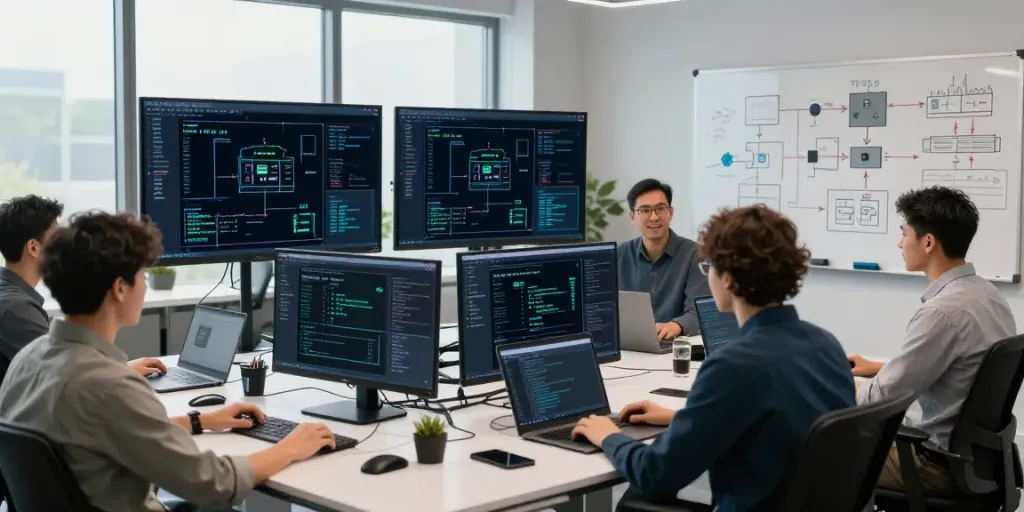
Understanding GPU Computing Fundamentals
In the realm of artificial intelligence (AI), GPU computing plays a pivotal role in processing and analyzing vast amounts of data efficiently. Using Graphics Processing Units (GPUs) to handle parallel computations allows for rapid processing that traditional CPUs cannot match. As industries increasingly leverage AI technologies, understanding the fundamentals of GPU computing becomes essential for enhancing performance, scalability, and innovation. When exploring options, GPU computing provides comprehensive insights into effective AI infrastructure development and deployment.
What is GPU Computing?
GPU computing refers to the utilization of powerful graphics processing units to perform complex calculations and processes that are typically demanding on a CPU. This technology enables parallel processing, meaning that multiple operations can be executed simultaneously, significantly speeding up workloads that involve large datasets or require real-time analysis.
The Importance of GPUs in AI Infrastructure
As the demand for machine learning and AI applications surges, GPUs have become integral to the AI infrastructure. Their architecture is inherently suited for the high volumes of matrix and vector computations required for training and using neural networks. This efficiency translates into faster model training times and lower energy costs, making GPUs a preferred choice for developers and enterprises.
Key Components of GPU Architecture
Understanding GPU architecture is essential for optimizing performance. Critical components include:
- CUDA Cores: These are the processing units within a GPU that perform calculations. The more CUDA cores a GPU has, the higher its parallel processing capability.
- Memory Bandwidth: This determines how quickly data can be read from or written to the GPU memory, impacting overall performance.
- Tensor Cores: Specialized cores designed to speed up machine learning workloads by efficiently handling tensor operations.
Common Misconceptions About GPU Usage
While GPUs have gained popularity, several misconceptions can hinder their effective deployment in AI applications. Understanding these myths is crucial for leveraging their full potential.
GPU vs. CPU: Understanding the Differences
One prevalent misconception is that GPUs can replace CPUs entirely. In reality, each serves distinct purposes. CPUs are optimized for tasks that require sequential processing, such as running general operating systems and applications, while GPUs excel at parallel tasks, making them indispensable for AI and graphical computations.
Myths Surrounding GPU Costs
Another common myth is that GPUs are prohibitively expensive for all applications. While high-end GPUs can be pricey, there are various models available across different price points suitable for varying workloads. Additionally, the performance gains from using GPUs can often justify their costs in terms of time saved and efficiency gained.
Dispelling Performance Expectations
Some users expect that simply installing a GPU will lead to immediate performance improvements. This expectation can lead to disappointment if the software is not optimized to leverage GPU capabilities. It’s essential to ensure that applications are designed to utilize the GPU's processing power effectively.
Best Practices for Implementing GPU Computing
To maximize the benefits of GPU computing in AI applications, organizations must adopt best practices that enhance performance and efficiency.
Choosing the Right Hardware for AI Applications
Selecting the appropriate GPU model is critical. Factors to consider include the nature of the AI tasks, budget constraints, and energy efficiency ratings. For instance, for deep learning applications, high-performance GPUs with ample memory and processing cores are preferred.
Optimizing Software for GPU Performance
Software must be tailored to utilize GPU resources effectively. Frameworks such as TensorFlow and PyTorch offer native support for GPUs, allowing developers to harness their capabilities seamlessly. Writing efficient algorithms that minimize data transfer between CPU and GPU can also lead to performance improvements.
Monitoring GPU Usage and Efficiency
Monitoring tools can help organizations track GPU usage, identify bottlenecks, and optimize workloads. Keeping an eye on metrics such as memory usage, processing load, and temperature is essential for maintaining system health and maximizing performance.
Real-World Examples of Effective GPU Deployment
Several case studies illustrate the transformative impact of GPU computing in various industries, showcasing its potential to boost efficiency and innovation.
Case Study: AI Factory Utilizing GPUs
An AI factory that implemented GPU computing found that it reduced the time required for training machine learning models by 70%, leading to faster product development cycles. By leveraging a GPU-optimized cloud platform, the organization was able to scale their operations while reducing costs.
Success Stories in GPU-Driven Analytics
Companies in finance and healthcare have reported significant improvements in their data analytics processes. For instance, a financial institution utilized GPUs to process real-time transaction data, enabling rapid fraud detection and risk assessment, thereby saving millions in potential losses.
Comparative Results: Before and After GPU Integration
Organizations that transitioned from CPU-only to GPU-accelerated computing have documented performance improvements, such as a 50% reduction in data processing times. These gains not only enhance operational efficiency but also improve responsiveness to market changes.
Future Trends in GPU Computing
The landscape of GPU computing is rapidly evolving, and several trends are shaping its future, influencing how industries will leverage this technology.
Emerging Technologies in 2026 and Beyond
In 2026, advancements such as AI-driven resource allocation and hardware acceleration are anticipated to further enhance GPU performance. Technologies like multi-chip modules and advanced cooling systems will likely play crucial roles in optimizing GPU usage for AI tasks.
The Role of Quantum Computing
While quantum computing is still in its infancy, its convergence with GPU technology holds promise for solving complex problems that are currently beyond the reach of classical computing, particularly in drug discovery and cryptography.
Market Predictions for GPU Demand
Market analysts predict that the demand for GPUs will continue to rise, fueled by the growing adoption of AI applications across various sectors. This demand will likely drive innovations in GPU design and efficiency.
What Are the Future Opportunities for Individuals in GPU Computing?
As the industry evolves, opportunities for individuals skilled in GPU computing will expand. Roles in AI development, data science, and cloud computing are expected to see increased demand, providing career growth potential for tech professionals.
How Can Policy Shape the Future of GPU Infrastructure?
Government policies and regulations will play a significant role in shaping GPU infrastructure. Support for research and incentives for green technology adoption could foster innovation, driving the next wave of developments in AI and computational power.
FAQs About GPU Computing
As interest in GPU computing grows, so do the questions surrounding its capabilities and implications.
What is GPU computing?
GPU computing utilizes graphics processing units to accelerate computational tasks, particularly those involving parallel processing.
Why is GPU computing essential for AI?
GPU computing is crucial for AI because it enables the rapid processing of large datasets, essential for training complex machine learning models.
How do I optimize my GPU usage?
Optimizing GPU usage involves selecting appropriate hardware, utilizing software frameworks that support GPU acceleration, and monitoring system performance.
What are the latest trends in GPU technology?
Current trends include advancements in multi-chip GPU architectures, improved cooling technologies, and integration with AI and quantum computing.
Can I use GPU computing without a data center?
Yes, cloud-based GPU services allow users to access GPU resources without the need for physical data center infrastructure.