Understanding Wifi Sprinkler Controllers
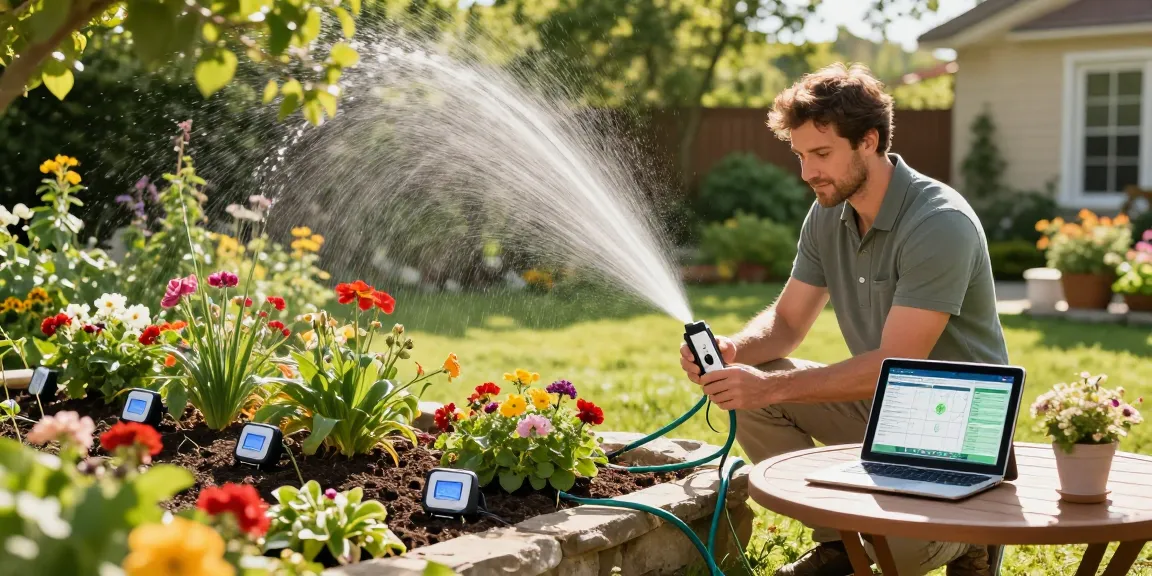
In an era where technology meets gardening, the advent of wifi sprinkler controllers has transformed the way we manage our outdoor spaces. These innovative devices enable users to monitor and control their irrigation systems remotely, ensuring that gardens flourish while conserving water. When exploring options, wifi sprinkler controller solutions present significant advantages over traditional systems, merging convenience with environmental sustainability.
What is a Wifi Sprinkler Controller?
A wifi sprinkler controller is a smart irrigation device that connects to your home's wifi network, allowing you to control your watering schedule through a mobile app. Unlike conventional timers that require manual adjustments, these advanced controllers enable real-time monitoring and adjustments based on weather conditions, soil moisture levels, and plant needs. This technology not only offers flexibility but also optimizes water usage, making it a popular choice for eco-conscious homeowners.
How Wifi Sprinkler Controllers Work
At the core of wifi sprinkler controllers is an array of sensors and connectivity features. Once installed, these systems connect to the internet via wifi, enabling users to manage their watering schedule remotely via an app. They often include soil moisture sensors that provide feedback on when to water, adjusting schedules automatically based on local weather forecasts. This interconnected approach ensures that gardens receive the right amount of water at the right time, maximizing efficiency.
Key Benefits of Using Wifi Sprinkler Controllers
- Water Conservation: By tailoring irrigation to specific plant needs and environmental conditions, these devices significantly reduce water waste.
- Convenience: Remote access allows users to manage their gardens from anywhere, eliminating the hassle of manual timers.
- Improved Plant Health: Consistent and accurate watering promotes robust plant growth and minimizes the risk of overwatering or underwatering.
- Data Insights: Detailed reports on water usage and irrigation history help gardeners make informed decisions about their watering practices.
Benefits of Smart Irrigation Systems
Smart irrigation systems bring a host of advantages to both novice and experienced gardeners alike. Understanding these benefits is crucial for anyone looking to enhance their gardening practices.
Water Conservation Techniques in Home Gardens
Water conservation is increasingly important in home gardening, particularly in regions prone to drought. Smart sprinkler systems employ technology to efficiently distribute water only when necessary. For example, integrating weather forecasts can help determine the best times to water, avoiding unnecessary irrigation during periods of rain or high humidity. Such techniques not only save water but also lower utility bills, making smart irrigation a financially savvy choice.
Enhancing Plant Health with Tech-Driven Solutions
Incorporating technology into gardening has revolutionized plant care routines. Smart irrigation systems can be programmed to accommodate different zones within a garden that may require varied watering schedules based on plant type or sun exposure. This tailored approach ensures that each plant receives the optimal amount of water for its growth stage, ultimately leading to healthier and more resilient gardens.
Cost Savings Over Time with Efficient Watering
While the initial investment in wifi sprinkler controllers may be higher than traditional systems, the long-term savings are undeniable. Users can expect reduced water bills as these systems optimize water usage and eliminate waste. Additionally, less water usage has a positive environmental impact, contributing to sustainability goals. Over time, as homeowners see their utility costs decrease, the financial benefits of smart irrigation become apparent.
Choosing the Right Wifi Sprinkler Controller
Selecting the appropriate wifi sprinkler controller can be daunting due to the variety of features and models available. Here are essential considerations to guide your decision-making process.
Factors to Consider When Selecting a Controller
- Compatibility: Ensure the controller is compatible with your existing irrigation system and local wifi specifications.
- Zone Management: Consider how many zones you need to manage; some controllers can handle multiple zones effectively.
- Mobile App Functionality: Analyze the user interface of the associated app; it should be intuitive and user-friendly.
- Weather Adaptability: Look for features that allow the controller to adjust based on local weather conditions for optimal water usage.
Top Features to Look For
When shopping for a wifi sprinkler controller, consider the following features to ensure you select the best option for your needs:
- Soil Moisture Sensors: These sensors gauge soil conditions and adjust watering schedules accordingly.
- Weather Integration: Controllers that integrate with weather services can automatically skip watering during rain.
- Custom Scheduling: The ability to set specific watering schedules tailored to each zone or plant type is essential for effective irrigation management.
- User Notifications: Alerts regarding system performance or environmental changes (like heavy rain) can enhance user experience and plant care.
Comparative Overview of Popular Wifi Sprinkler Models
There are several wifi sprinkler controllers on the market, each with unique features. Here are three popular options:
- RainPoint 2 Zone Wifi Water Timer with Hub: Ideal for larger gardens, this model provides extensive water consumption data and supports multiple zones.
- Rachio 3: This model integrates seamlessly with smart home systems and offers advanced weather tracking capabilities.
- GreenIQ Smart Garden Hub: With robust app features, this model is favored for its ease of use and compatibility with various irrigation systems.
Installation and Setup of Wifi Sprinkler Controllers
Understanding how to install and set up your wifi sprinkler controller is crucial for leveraging its full potential. The process is typically straightforward, but being informed can save time and reduce frustration.
Step-by-Step Guide to Installation
- Gather Tools: Ensure you have the necessary tools such as screwdrivers and connectors before starting.
- Disconnect Existing System: If you're replacing an old controller, disconnect it from your water supply.
- Install the New Controller: Follow the manufacturer's instructions for mounting and connecting the new device to your irrigation system.
- Connect to Wifi: Use the app to connect your controller to your home wifi network, following the on-screen instructions.
- Program Settings: Set your watering schedules and preferences through the mobile app.
Common Challenges and Troubleshooting Tips
While installation is usually straightforward, users may encounter issues such as connectivity problems or difficulty syncing with the app. Here are some tips for troubleshooting common challenges:
- Ensure Strong Wifi Signal: If the controller has trouble connecting, check the strength of your wifi signal in the installation area.
- Reset the Device: If you experience persistent issues, resetting the controller and starting the setup process anew can often resolve problems.
- Consult Customer Support: Don’t hesitate to reach out to the manufacturer's customer support for assistance.
Integrating with Existing Irrigation Systems
If you have an existing irrigation system, integrating a new wifi sprinkler controller can enhance its efficiency. Ensure compatibility with your current hoses and valves; understanding how to modify existing setups will ensure a seamless transition to smart irrigation. Additionally, consult your device's user manual for specific guidance on making the integration process smooth and effective.
Future Trends in Smart Irrigation Technology
As technology continues to advance, the landscape of smart irrigation is rapidly evolving. Here’s what to expect moving forward.
Predicted Advancements for 2026 and Beyond
Future wifi sprinkler controllers are expected to incorporate even more advanced features, including artificial intelligence to evaluate plant health and dynamic adaption to climate changes. Expect smart sensors that not only measure moisture but also assess sunlight exposure and temperature fluctuations for a truly holistic watering strategy.
Environmental Impact and Sustainable Practices
With an increasing focus on sustainability, smart irrigation solutions will play a crucial role in conserving water and reducing overall consumption. These technologies will continue to promote eco-friendly gardening practices, encouraging users to adopt water-efficient methods that benefit the environment.
Consumer Adoption and Market Growth Insights
The adoption of smart irrigation technologies is on the rise, driven by consumer demand for convenient and sustainable gardening solutions. Market research indicates significant growth in this sector as more people recognize the benefits of wifi-enabled irrigation systems.
What Are the Latest Innovations?
Recent innovations in smart irrigation include advanced sensors that communicate weather patterns in real-time, allowing systems to adjust watering schedules dynamically. Additionally, integration with home automation systems is becoming more common, enabling users to manage irrigation alongside other smart home devices seamlessly.