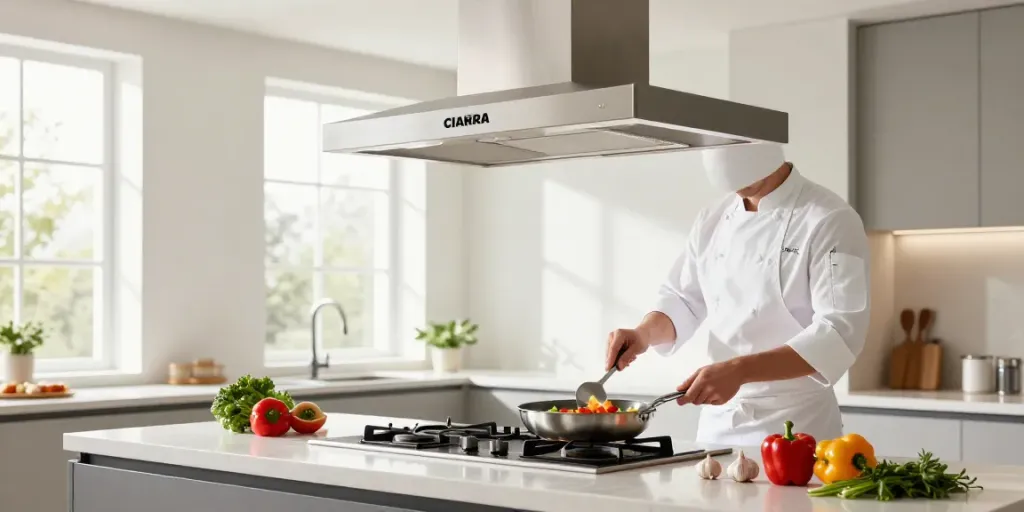
Understanding the Role of Cooker Hoods in Modern Kitchens
In an era where home cooking is celebrated, the importance of a quality cooker hood cannot be overstated. These essential kitchen appliances serve as the unsung heroes, efficiently removing unwanted odors, steam, and smoke generated during cooking. As kitchens evolve into open-concept spaces where cooking and dining coexist, the functionality and aesthetics of cooker hoods become paramount, offering both practical and design benefits.
What is a Cooker Hood?
A cooker hood, also known as an exhaust hood or range hood, is a device installed above the cooking surface, typically a stove or cooktop. Its primary function is to ventilate indoor cooking environments by extracting airborne particles, odors, and moisture that can accumulate during meal preparation. Cooker hoods can be categorized broadly into ducted and recirculating types, each serving a distinct purpose based on the kitchen's design and layout.
Benefits of Using a Cooker Hood
- Air Quality Improvement: By effectively removing pollutants, cooker hoods ensure the air in your kitchen remains clean and safe for cooking.
- Odor Control: No one wants lingering smells from last night's dinner. Cooker hoods eliminate unwanted odors, keeping your kitchen fresh.
- Heat Regulation: They help maintain a comfortable temperature in the kitchen by drawing out excess heat generated while cooking.
- Enhanced Cooking Experience: A well-ventilated kitchen encourages healthier cooking habits and improves overall comfort.
Types of Cooker Hoods Available Today
Today’s market offers a diverse range of cooker hoods, catering to various needs and kitchen designs. Some of the most popular types include:
- Wall-Mounted Hoods: These hoods are fixed to the wall above the stove and are a common choice for traditional kitchen layouts.
- Island Hoods: Perfect for kitchens with island cooktops, island hoods provide style and functionality, often featuring dramatic designs.
- Under-Cabinet Hoods: Designed to fit beneath cabinets, these hoods are ideal for maximizing space in smaller kitchens.
- Integrated Hoods: These are built into cabinetry for a seamless look, often favored in modern kitchens for their minimalist appeal.
- Telescopic Hoods: These hoods can be extended during use and retracted when not needed, offering flexibility in design and functionality.
Key Features to Look for in a Cooker Hood
Energy Efficiency Ratings and Importance
When selecting a cooker hood, energy efficiency should be a key consideration. Look for models with high energy ratings, as they not only reduce electricity costs but also contribute to a more sustainable kitchen environment. Energy-efficient models typically use advanced technology to optimize airflow while minimizing power consumption.
Noise Levels: What to Expect
Another significant factor is the operational noise level of the cooker hood. Many modern hoods are designed to operate quietly, ensuring that the cooking experience is not disrupted by excessive noise. Look for models that specify their decibel (dB) levels; most good-quality cooker hoods operate between 40-60 dB.
Smart Technology Integration in Cooker Hoods
The rise of smart kitchen technology has also influenced cooker hoods. Many new models now feature WiFi connectivity, allowing users to control settings via smartphone apps. This integration can streamline cooking processes and enhance convenience, making it easier to maintain air quality in real-time.
Choosing the Right Size and Type for Your Kitchen
60cm vs 90cm Cooker Hood: Which is Right for You?
A common dilemma when purchasing a cooker hood is the choice between different sizes. Typically, a 60cm cooker hood is suitable for smaller kitchens or where space is limited, while a 90cm model is ideal for larger cooktops. Consider the layout of your kitchen and the size of your cooking area when making your choice.
Wall-Mounted vs Island Cooker Hoods
The decision between wall-mounted and island cooker hoods depends primarily on your kitchen’s configuration. Wall-mounted hoods are generally more versatile and can fit snugly above a standard stove, while island hoods are designed to be a centerpiece in kitchens with island setups.
How to Measure Space for Installation
Accurate measurements are crucial for correctly installing a cooker hood. Measure the height from the cooking surface to the ceiling and determine where to place the hood to ensure efficient ventilation. Most manufacturers recommend a minimum height of 65-70cm for wall-mounted hoods, while island hoods should be installed at least 75-80cm above the cooking surface.
Installation and Maintenance Tips
Step-by-Step Installation Guide
Installing a cooker hood can be straightforward if you follow these steps:
- Gather necessary tools and materials (drill, screws, wall anchors).
- Mark the mounting location based on your measurements.
- Drill holes for mounting brackets and establish electrical connections if necessary.
- Secure the hood in place, ensuring it is level and stable.
- Attach ducting if using a ducted model, and make sure to seal all connections properly.
Regular Maintenance Practices for Optimal Performance
To ensure your cooker hood operates effectively, regular maintenance is critical. This includes:
- Cleaning filters every month or according to manufacturer guidelines.
- Wiping down the exterior regularly to prevent grease buildup.
- Checking for any obstructions in the ducts if you have a ducted model.
Common Installation Mistakes to Avoid
Many homeowners make avoidable mistakes when installing cooker hoods, such as failing to secure the hood properly or not following the manufacturer's installation guidelines. Always double-check your measurements and ensure all components are compatible before installation.
Future Trends in Cooker Hood Technology
Innovative Features to Expect in 2026 and Beyond
The future of cooker hoods is promising, with advancements in technology expected to enhance user experience. Anticipated features include:
- Advanced Air Filtration: Future models may integrate sophisticated filtration systems, improving air quality even further.
- Smart Sensors: Hoods that detect cooking activity and adjust settings automatically can enhance energy efficiency and convenience.
- Voice Activation: Integration with smart home systems to enable hands-free operation through voice commands.
How Sustainability is Shaping Cooker Hood Design
As sustainability becomes more critical, manufacturers are increasingly focusing on eco-friendly materials and energy-efficient designs in cooker hoods. Expect to see more products made from recycled materials and those that consume less power without compromising performance.
Consumer Preferences: What Buyers Will Look For
Moving forward, consumers are likely to prioritize advanced features, energy efficiency, and design aesthetics in their cooker hood purchases. The trend towards open-plan living means that cooker hoods must not only perform well but also fit seamlessly into the overall kitchen decor.
What does a cooker hood do?
A cooker hood plays a vital role in maintaining kitchen air quality by removing smoke, odors, and airborne grease particles generated while cooking.
What is the difference between a cooker hood and an extractor hood?
While often used interchangeably, a cooker hood refers to a broader category, including both ducted and recirculating options, whereas an extractor hood usually denotes a specific type designed to vent air outside.
Do all cooker hoods need to be vented outside?
No, not all cooker hoods need to be vented outside. Recirculating hoods filter and recirculate air back into the kitchen, making them suitable for locations where external ventilation isn’t possible.
Which brand of cooker hood is considered the best?
Several brands are known for their quality, including CIARRA, which offers a wide range of models with advanced features, energy efficiency, and stylish designs to fit various kitchen styles.