Understanding Telestroke Medicine
In the rapidly evolving landscape of healthcare, Telestroke medicine has emerged as a revolutionary solution to combat one of the leading causes of morbidity and mortality worldwide: stroke. This innovative approach leverages telemedicine technology to connect patients in remote locations with specialized stroke care teams, ensuring timely diagnosis and treatment. According to recent studies, expedient medical intervention can significantly improve patient outcomes, making Telestroke an area of increasing interest for healthcare providers and patients alike. For further insights into this groundbreaking approach, the comprehensive overview of Telestroke medicine offers valuable perspectives.
What is Telestroke Medicine?
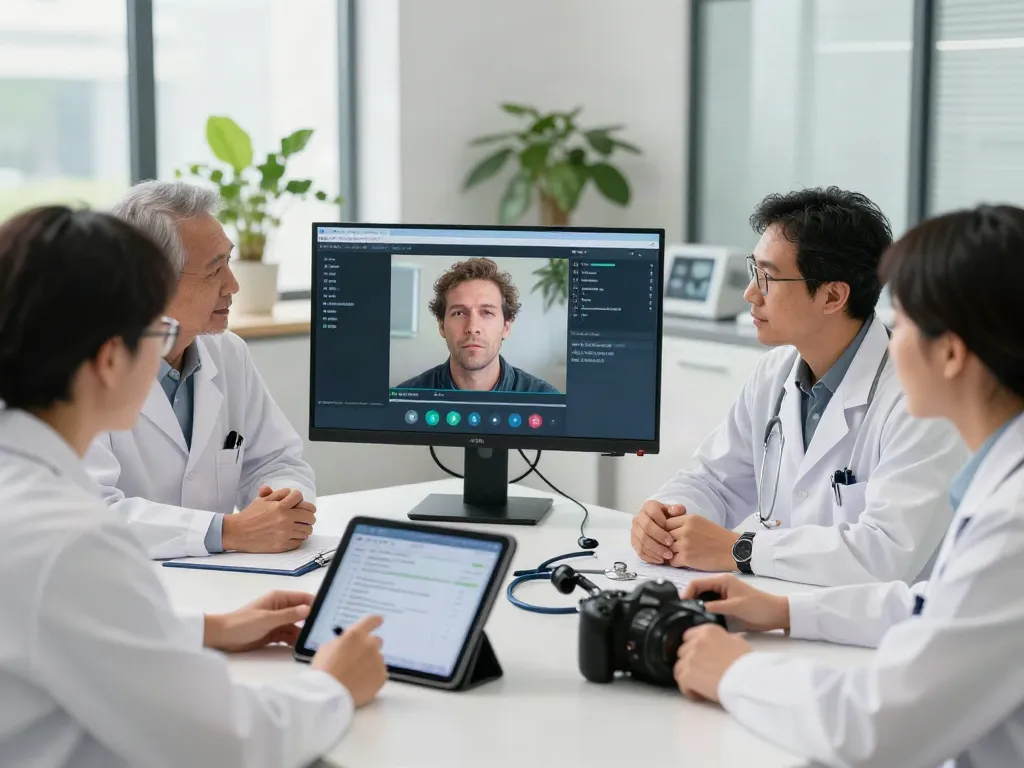
Telestroke medicine refers to the use of telecommunication technologies to facilitate diagnosis and treatment of stroke patients. This approach allows neurologists to conduct virtual consultations, assess symptoms, and recommend treatment protocols in real time, regardless of the geographic location of the patient or the specialist. By connecting emergency departments with stroke specialists through high-definition video conferencing and advanced imaging technologies, Telestroke enables rapid decision-making about patient care. It is particularly beneficial for patients in rural or underserved areas, where access to specialized care may be limited.
The Evolution of Telemedicine in Stroke Care
The concept of telemedicine has been around for decades, but its application in stroke care—Telestroke—has gained traction over the last two decades. Initially, telemedicine focused on static images and remote consultations; however, advancements in technology have transformed it into a dynamic platform that allows for immediate interaction between healthcare providers and patients. The first telestroke program was established in the late 1990s, and since then, numerous studies have validated its effectiveness in improving outcomes for stroke patients.
Key Technologies in Telestroke Medicine
Several key technologies are integral to the success of Telestroke initiatives. These include:
- High-definition video conferencing: Allows neurologists to visually assess patients and communicate effectively.
- Mobile stroke units: Equipped with diagnostic tools and telecommunication technology, enabling immediate assessment at the patient's location.
- Remote imaging technology: Facilitates the transmission of CT and MRI scans for rapid evaluation.
- Electronic health records (EHR): Streamlines data sharing among healthcare providers, ensuring that patient histories and treatment plans are readily accessible.
Benefits of Telestroke Medicine
Improved Patient Outcomes and Access
One of the most significant benefits of Telestroke medicine is its impact on patient outcomes. Studies have shown that patients who receive Telestroke care experience shorter door-to-needle times for thrombolytic therapy, which is crucial for minimizing long-term disabilities. Furthermore, Telestroke bridges the gap for patients in remote areas, providing them with access to specialized care that might otherwise be unavailable. This level of access is vital, as timely intervention is key to effective stroke treatment.
Time-Saving Strategies for Emergency Response
In emergency situations, every second counts when dealing with a stroke. Telestroke programs are designed to save precious time by allowing immediate evaluation and treatment recommendations. This technology enables emergency medical technicians (EMTs) to initiate treatment even before a patient arrives at the hospital, thereby expediting care and improving chances of recovery. For instance, the use of telemedicine allows for pre-arrival notifications to hospitals, optimizing resource allocation and preparation for incoming patients.
Cost-Effectiveness of Telemedicine Solutions
In addition to improving clinical outcomes, Telestroke medicine can be more cost-effective than traditional approaches. Reducing the need for unnecessary transfers between hospitals and minimizing the complications associated with delayed treatment can lead to significant savings for healthcare systems. Moreover, by employing Telestroke services, hospitals can expand their reach without incurring substantial costs for physical infrastructure or staffing specialized stroke care teams in every location.
Implementation Challenges and Solutions
Overcoming Technical Barriers
While Telestroke medicine offers numerous benefits, its implementation does come with challenges, particularly regarding technology. Ensuring robust, reliable, and secure communication channels is essential, as any disruption could affect patient care. Healthcare providers must invest in high-quality technology and infrastructure, including backup systems, to maintain uninterrupted service. Additionally, cybersecurity measures must be prioritized to protect sensitive patient information.
Training Medical Staff for Telestroke
Effective implementation of Telestroke programs requires comprehensive training for medical staff. This includes not only technical training on telecommunication tools but also education on the nuances of remote patient assessments and treatment protocols. Ongoing professional development and simulation exercises can prepare healthcare teams to respond adeptly to stroke emergencies via telemedicine.
Addressing Patient Concerns and Misconceptions
Patients may have concerns regarding the reliability and effectiveness of remote consultations. Addressing misconceptions is crucial to gaining trust in Telestroke services. Healthcare providers should engage with patients, educating them about the benefits of Telestroke and what to expect during virtual consultations. Clear communication can help alleviate fears and encourage patients to seek timely medical assistance when symptoms arise.
Best Practices for Effective Telestroke Implementation
Creating Collaborative Care Teams
Collaboration is at the heart of successful Telestroke programs. Creating multidisciplinary care teams that include neurologists, emergency medicine physicians, and nursing staff fosters an environment of shared knowledge and expertise. This collaborative approach ensures that all team members are aligned in their goals and strengthens the overall patient care experience.
Integrating Telestroke Protocols in Hospitals
For Telestroke medicine to be effective, hospitals must integrate specific protocols into their emergency response systems. This includes established processes for how to triage stroke patients, facilitate teleconsultations, and manage follow-up care. Standardizing these protocols can streamline operations, decreasing delays in patient assessment and treatment.
Monitoring and Evaluating Telestroke Programs
Ongoing evaluation is essential to the success and sustainability of Telestroke services. Hospitals should implement metrics to monitor performance, including response times, patient outcomes, and satisfaction levels. Regular reviews can provide insights into areas that may need improvement, ensuring that the quality of care remains high and meets the evolving needs of patients.
The Future of Telestroke Medicine
Emerging Technologies and Innovations
The future of Telestroke medicine holds promise, with emerging technologies poised to enhance care delivery further. Innovations such as artificial intelligence (AI) for rapid image analysis, mobile health apps for patient monitoring, and predictive analytics for assessing stroke risk are on the horizon. These advancements could lead to even more effective and personalized stroke care, ultimately improving patient outcomes.
Predictions for Telestroke Adoption in 2026
By 2026, the adoption of Telestroke medicine is expected to grow significantly as healthcare providers increasingly recognize its value. Factors driving this growth include the ongoing need for accessible healthcare, investments in telemedicine infrastructure, and supportive policy changes that facilitate telehealth practices. As more hospitals implement Telestroke programs, it is likely that patient access to specialized stroke care will expand, further improving overall outcomes.
Policy Changes Impacting Telehealth Practices
Legislative changes will play a crucial role in shaping the future of Telestroke medicine. Policies that promote reimbursement for telehealth services, support interstate licensing for providers, and incentivize technological advancements will pave the way for broader acceptance and implementation. Advocacy from healthcare organizations will be essential in influencing these policy changes, ensuring that stroke patients receive timely and effective care.
What is telestroke medicine?
Telestroke medicine is a form of telemedicine specifically focused on providing stroke patients with immediate access to specialized care through remote consultations. It enables neurologists to assess and recommend treatments for stroke patients in real time, significantly improving outcomes and access to care.
How can telestroke medicine improve outcomes?
By facilitating rapid diagnosis and treatment, Telestroke medicine enhances patient outcomes. Timely interventions, such as administering thrombolysis, can minimize the risk of long-term disabilities associated with strokes.
What technology is used in telestroke?
Telestroke utilizes various technologies, including high-definition video conferencing systems, mobile stroke units, remote imaging capabilities, and electronic health records to provide comprehensive stroke care.
What are the challenges of telestroke implementation?
Challenges include technical barriers to communication, the need for staff training, and addressing patient misconceptions about telemedicine efficacy. Overcoming these obstacles is critical for successful Telestroke implementation.
Is telestroke effective for all patients?
While Telestroke is effective for many patients, individual circumstances may vary. Factors such as the type of stroke and the patient’s medical history can influence the appropriateness of Telestroke care. Personalizing treatment approaches ensures optimal outcomes.