Understanding the Excavator: Types and Applications
Different Excavator Models and Their Uses
Excavators are versatile construction machines that can adapt to a variety of tasks depending on their design and specifications. The primary types of excavators include full-sized, compact, and mini excavators:
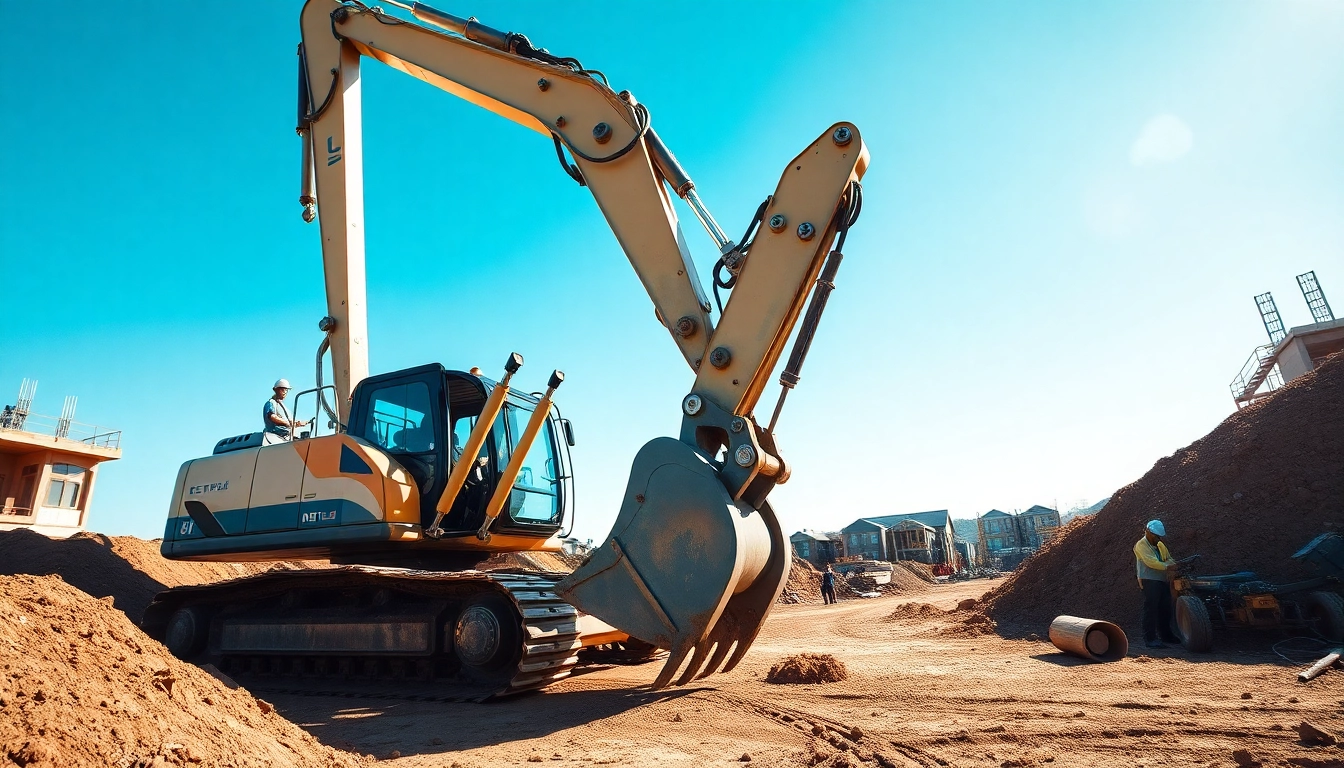
- Full-Sized Excavators: These are heavy-duty machines ideal for large-scale projects such as road construction, site preparation, and mining. They generally feature robust hydraulic systems and engines that enable powerful digging and lifting capabilities.
- Compact Excavators: With lower weight and dimensions, compact excavators are perfect for projects in confined spaces. They are frequently used for landscaping, utility construction, and residential building tasks.
- Mini Excavators: As the smallest option, mini excavators excel in tasks requiring agility. They are commonly employed in small digging tasks, drainage work, and tight urban environments.
The success in choosing an excavator comes from understanding what model fits your project specifications and site conditions best.
Excavator Features That Enhance Performance
Modern excavators come equipped with a variety of features that significantly boost their performance. Key features include:
- Hydraulic Systems: Hydraulic power is the heart of any excavator, providing the force needed for digging and lifting. Advanced hydraulic systems offer improved efficiency and greater control.
- Attachments: Different attachments such as buckets, grapples, and augers can greatly enhance an excavator's functionality. These tools allow operators to tailor their machines to specific tasks, increasing versatility.
- Operator Comfort: Features such as climate control, ergonomic seating, and intuitive controls ensure that operators can work efficiently for long hours without discomfort.
By leveraging these features, operators can maximize productivity and reduce downtime on their projects.
Common Industries Utilizing Excavators
Excavators play a critical role across various industries. Some of the most common industries utilizing excavators include:
- Construction: In construction, excavators are essential for digging foundations, trenches, and landscaping sites.
- Mining: Excavators are often employed in mining for overburden removal, site development, and material extraction.
- Infrastructure Development: They are crucial in building roads, bridges, and tunnels, enabling essential public transportation links.
- Agriculture: Excavators assist in land grading, drainage projects, and planting and harvesting in larger agricultural setups.
Choosing the Right Excavator for Your Project
Factors to Consider When Selecting an Excavator
Selecting the right excavator requires careful consideration of several factors:
- Project Type: The nature of your project will dictate the type and size of the excavator you require.
- Site Conditions: Consider the terrain and access challenges on your job site. Compact excavators are ideal for confined spaces, while full-sized models are better suited for open areas.
- Operational Capacity: Evaluate the weight and digging depth needed to complete your tasks effectively.
Rental vs. Purchase: Making the Right Decision
The decision to rent or purchase an excavator hinges on both the frequency of use and the type of projects you typically undertake:
- Renting: For occasional or short-term projects, renting an excavator can be more cost-effective, allowing access to high-quality machinery without the responsibility of ownership.
- Purchasing: If your company relies heavily on excavators for regular projects, purchasing may offer better long-term financial benefits.
Safety Considerations in Excavator Operations
Safety is paramount in excavator operations. Key safety measures include:
- Operator Training: Proper training ensures that operators understand the machinery's capabilities and limitations, reducing accidents.
- Daily Inspections: Conducting pre-operation checks helps identify potential issues before they become safety hazards.
- Use of Personal Protective Equipment (PPE): Operators and site workers should wear necessary safety gear like helmets, gloves, and boots.
Excavator Maintenance: Ensuring Longevity
Regular Maintenance Tasks for Optimal Performance
Maintaining an excavator is crucial for ensuring its longevity and performance. Key maintenance tasks include:
- Fluid Checks: Regularly check and replace engine oil, hydraulic fluid, and coolant to ensure smooth operation.
- Filter Inspections: Change air and oil filters according to the manufacturer’s recommendations to prevent accidents caused by debris.
- Track and Bucket Inspections: Monitor wear on tracks and buckets, replacing them when necessary to prevent operational failures.
Common Issues and Troubleshooting
Some common issues with excavators and their solutions include:
- Hydraulic Leaks: Check hoses and fittings for damage. If leaks are detected, replace the affected components immediately.
- Poor Performance: This could be attributed to low fluid levels or air in the hydraulic system. Perform fluid checks and bleed the system if necessary.
- Track Wear: If tracks wear unevenly, inspect for proper tension and adjust accordingly.
When to Seek Professional Repair Services
While regular maintenance can be handled in-house, certain issues may necessitate professional assistance:
- Complex hydraulic system repairs that require specialized knowledge.
- Engine malfunctions or performance issues that cannot be resolved through basic troubleshooting.
- Electrical problems involving the control systems of the excavator.
Cost Analysis: Investing in an Excavator
Budgeting for Purchase or Rental
Whether renting or purchasing an excavator, careful budgeting is essential:
- Rental Costs: Expect to pay between $200 and $1,500 per day, based on size and features.
- Purchase Costs: A new excavator can range from $100,000 to $500,000, influenced by its size and capabilities.
Hidden Costs of Overlooking Maintenance
Neglecting routine maintenance can lead to escalated repair costs and downtime. Common hidden costs include:
- Significant repair bills due to catastrophic failures that could have been prevented.
- Loss of productivity while machinery is under repair.
- Increased fuel consumption resulting from inefficiencies in waning performance.
Financing Options for Businesses
For businesses looking to acquire an excavator, several financing options are available:
- Equipment Loans: Standard loans specifically designed for purchasing heavy machinery.
- Leasing: A flexible solution that allows for lower upfront payments while retaining the option to purchase the equipment later.
- Rent-to-Own: Combining renting and buying, this option allows businesses to put rental payments towards the eventual purchase of the equipment.
Future Trends in Excavator Technology
Advancements in Excavator Automation
As technology evolves, so does the capability of excavators. Recent advancements include:
- Automated Operation: Enhanced automation features enable operators to optimize work patterns and increase efficiency, reducing the need for manual intervention.
- Telematics: Remote monitoring systems provide insights into machine performance and health, allowing for proactive maintenance.
Eco-Friendly Innovations in Excavator Design
Environmental considerations are increasingly reflected in excavator design:
- Electric and Hybrid Models: These options significantly reduce emissions while offering the same power and performance.
- Improved Fuel Efficiency: Manufacturers are adopting advanced technologies to enhance fuel efficiency, reducing operational costs and environmental impact.
The Impact of Technology on Job Site Efficiency
Technological advancements have a profound effect on job site efficiency:
- Enhanced Communication: Real-time data sharing among operators ensures smooth workflow management.
- AI and Machine Learning: These technologies allow for predictive maintenance, improving reliability and minimizing unplanned downtime.
FAQs
What is the primary function of an excavator?
The primary function of an excavator is to dig, move, and load materials, making it essential in construction and mining.
How much does it cost to rent an excavator?
Renting an excavator typically costs between $200 to $1,500 per day, depending on size and additional features.
What safety equipment is essential for excavator operators?
Essential safety equipment includes hard hats, gloves, steel-toed boots, and high-visibility vests for operators and workers.
How do I maintain an excavator?
Regular maintenance involves checking fluid levels, inspecting filters, and monitoring wear on tracks and buckets.
Are there eco-friendly excavators available?
Yes, many companies now offer electric or hybrid excavators designed to minimize emissions and enhance efficiency.