Understanding Scissor Lift: An Overview
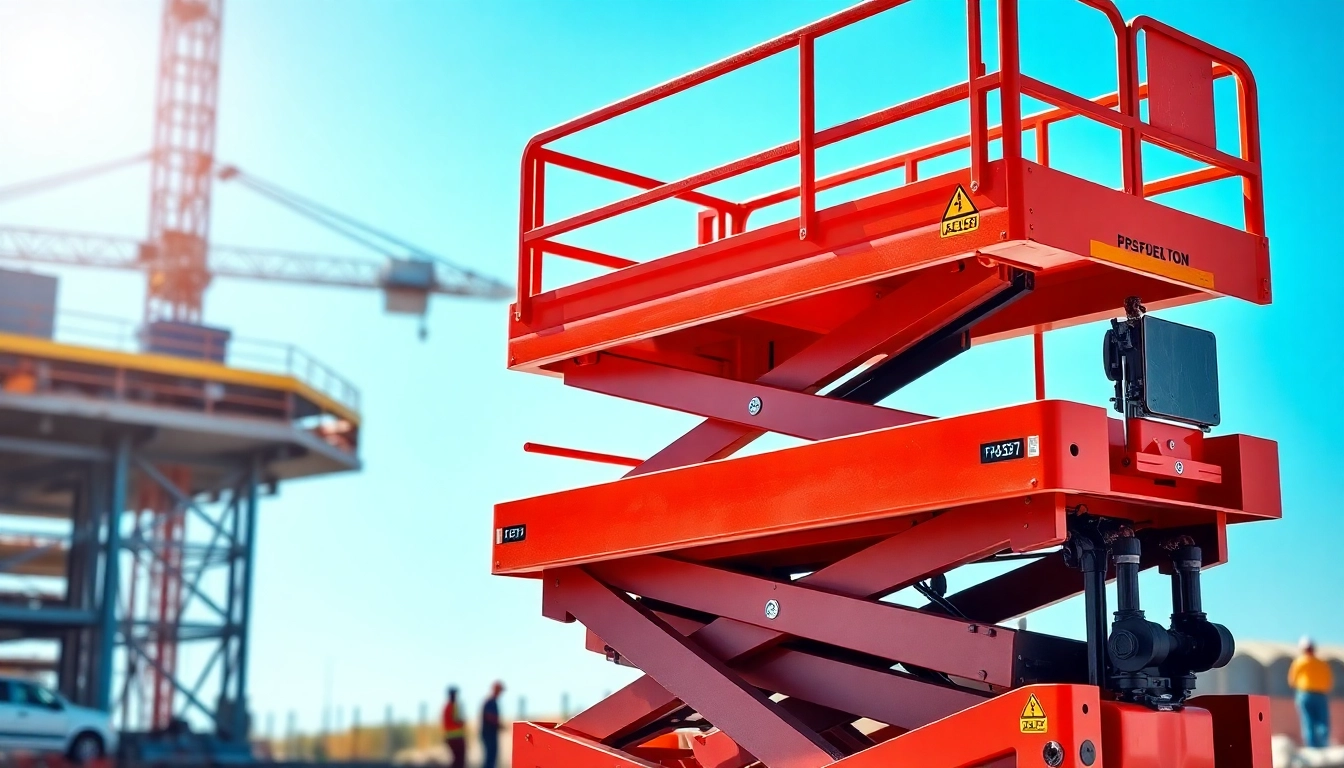
A scissor lift is an essential piece of equipment in various industries, particularly in construction and maintenance. Designed to elevate both individuals and materials to considerable heights, these devices operate using a unique mechanical system. The origin of their name comes from the cross-patterned beams that expand and contract, much like a pair of scissors. In this comprehensive article, we will delve into the types, applications, advantages, features to consider when selecting a scissor lift, best operational practices, and frequently asked questions.
Definition and Functionality
A scissor lift provides an elevated work platform for tasks requiring height access. The operation involves hydraulic, pneumatic, or electrical power, enabling the lift to maneuver vertically. Scissor lifts can be manually towed or driven to various job sites, offering flexibility in both indoor and outdoor environments.
Types of Scissor Lift
Scissor lifts come in various types to meet specific needs. The primary distinctions include:
- Electric scissor lifts: Ideal for indoor use, these lifts are eco-friendly and produce minimal noise, making them suitable for construction sites where noise reduction is essential.
- Diesel scissor lifts: Designed for outdoor usage, these lifts can negotiate rough terrain and uneven ground, providing versatility on construction sites.
- Rough terrain scissor lifts: Engineered to traverse challenging environments, they generally offer larger tires and enhanced stability.
- Low-level access lifts: These compact lifts are perfect for applications requiring low heights, such as maintenance or warehouse work.
Common Applications of Scissor Lift
Scissor lifts are utilized across many sectors, including but not limited to:
- Construction: They are crucial for tasks like installing roofing, electrical work, and erecting scaffolding.
- Maintenance: Facilities often employ scissor lifts for routine cleaning and repair of ceilings and higher structures.
- Film and Event Production: They provide elevated platforms for cameras and lighting equipment at shows and movies.
- Warehousing: Scissor lifts aid in inventory management, allowing workers easy access to high shelving.
Advantages of Using Scissor Lift
Improved Safety Measures
One of the most significant advantages of utilizing scissor lifts is the enhanced safety they provide. With a platform designed for stable footing and secure railings, operators are at lower risks of falls compared to traditional ladders. The built-in safety features, like emergency stop buttons and power cut-off mechanisms, further prevent accidents.
Enhanced Productivity
Using a scissor lift significantly increases productivity on the job site. The ability to transport both tools and personnel efficiently reduces downtime. Workers can execute tasks at height without the hassle of repeatedly climbing up and down ladders, which can hinder workflow.
Cost-Effectiveness of Scissor Lift
Investing in a scissor lift can be cost-effective for businesses. While the initial purchase or rental cost might seem steep, the efficiency improvements and reduced labor costs lead to long-term savings. Additionally, scissor lifts can replace several ladders or scaffolding setups, further cutting operational costs.
Key Features to Consider When Choosing Scissor Lift
Lift Capacity and Height
It's vital to assess the lift capacity and height required for the intended job. Scissor lifts are available with varying maximum height ranges, from 10 feet to over 70 feet. The load capacity should also be considered—overloading a lift can lead to equipment failure and safety hazards.
Type of Scissor Lift (Electric vs. Diesel)
Determining the suitable type of scissor lift is key based on the work environment. For indoor tasks, electric lifts are preferable due to their quiet operation and minimal emissions. Diesel lifts are well-suited for outdoor conditions, especially where power sources may not be readily available.
Platform Size and Design
The design and size of the platform can greatly influence operational efficiency. A larger platform provides more space for equipment and personnel, which is especially beneficial for jobs involving multiple workers. Consider also the platform's design—some models offer extensions or guardrails for added safety and workspace.
Best Practices for Operating Scissor Lift
Safety Protocols to Follow
Prioritize safety training before operating a scissor lift. Conduct regular inspections, adhere to weight limits, and always utilize personal protective equipment (PPE). Operators should also be aware of their surroundings, including overhead hazards like power lines.
Maintenance Tips for Longevity
Keeping a scissor lift in good working condition requires regular maintenance. Schedule inspections to check hydraulic systems, electrical connections, and mechanical components. Address any issues promptly to prevent further damage.
Training Requirements for Operators
To ensure safe and effective equipment use, organizations should implement thorough training programs for scissor lift operators. Training should cover equipment functionality, safety protocols, and emergency procedures. Certification programs may also be beneficial, depending on local regulations.
FAQs about Scissor Lift Usage
What is the maximum height of a scissor lift?
The maximum height of a scissor lift varies by model, ranging from 10 feet to over 70 feet, depending on the intended application.
How do I safely operate a scissor lift?
Safe operation involves understanding the equipment, following safety protocols, ensuring regular maintenance, and wearing appropriate PPE at all times.
Can scissor lifts be used outdoors?
Yes, certain scissor lifts, especially those designed for rough terrains, can be used outdoors, provided they are suited for the environment.
What types of materials can be handled?
A scissor lift can handle various materials, including tools, supplies, and personnel, but it is essential not to exceed its load capacity.
How often should scissor lifts be maintained?
Regular maintenance should be conducted at least every three to six months, or more frequently based on usage and operational conditions.