Understanding Look Alikes of Famous People
Look alikes of famous people have fascinated us for generations. These doppelgängers not only endow us with curiosity but also provoke deeper thought about identity, celebrity culture, and the serendipity of genetics. Whether it’s spotting a friend who resembles a Hollywood star or seeing uncanny resemblances between historical figures and modern icons, the phenomenon of look-alikes has significant implications across various contexts.
When exploring options, look alikes of famous people can provide comprehensive insights into this captivating subject, helping fans and critics alike understand the allure of these uncanny similarities.
What are Look Alikes?
At its core, a look alike is someone who bears a striking resemblance to another person, often a celebrity or iconic figure. This resemblance can manifest through similar facial features, hairstyles, or even the way they carry themselves. The allure of look alikes lies not just in their visual similarities but also in the stories and cultural narratives that accompany them. These facsimiles often spark discussions about beauty standards, fame, and even identity.
Historical Examples of Celebrity Doppelgängers
Throughout history, many pairs of doppelgängers have caught the public's attention. For instance, Peter Dinklage has often been compared to the legendary actor Verne Troyer. Similarly, modern celebrities like Emma Watson have been noted for their likeness to historical figures such as Joan of Arc. Such examples highlight how certain traits can transcend time and context, creating a bridge between the past and present.
The Psychology Behind Celebrity Look Alikes
The phenomenon of look alikes is not merely superficial; it speaks volumes about our psychology. Research indicates that humans are naturally drawn to familiarity. The sight of someone who resembles a beloved celebrity can elicit feelings of comfort and recognition, tapping into our neural processes associated with social bonding. Additionally, the study of doppelgängers often leads to considerations of identity formation and the way societal standards shape our perceptions of beauty.
Identifying Celebrity Look Alikes
How to Spot Your Celebrity Doppelgänger
Many individuals engage in the quest to find their celebrity look alike, often exploring apps or social media platforms. Face comparison tools and algorithms can analyze facial metrics to generate a list of potential doubles. It’s an entertaining process that often leads to whimsical revelations about personal identity and how it relates to wider cultural phenomena.
Common Traits Among Look Alikes
While each look alike is unique, several traits tend to recur among doppelgängers. Often, these similarities include:
- Shape of the face
- Color and texture of hair
- Eye shape and color
- Facial expressions and mannerisms
Many features, such as dimples, freckles, or even the way a smile forms, can be key indicators of resemblance.
Social Media and Celebrity Look Alikes
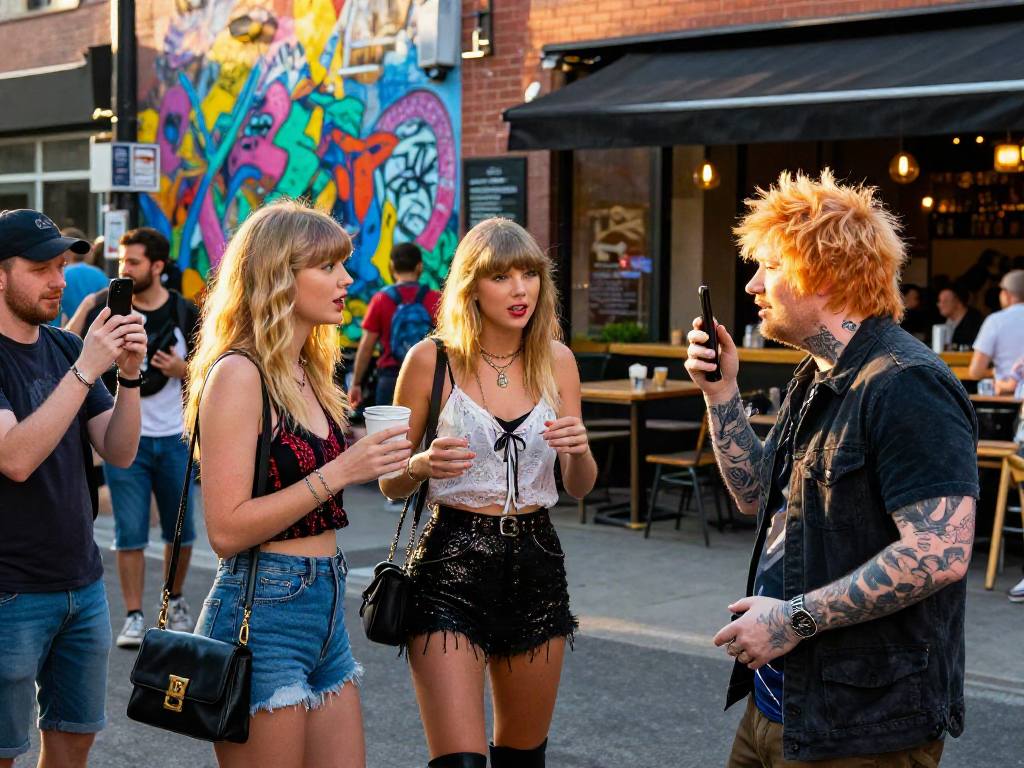
Social media platforms have been pivotal in the rise of celebrity look alike culture. Instagram and TikTok are flooded with users posting pictures side by side with their look-alikes. This trend has sparked challenges and discussions among fans, emphasizing the fun and creativity of finding doppelgängers. The virality of these images not only entertains but also cultivates a sense of community among users who share similar experiences and traits.
The Impact of Celebrity Look Alikes on Culture
Cultural Perceptions of Look Alikes
Celebrity look alikes often reflect and challenge cultural perceptions. For instance, when a non-celebrity resembles a famous person, it can shift public discussions about beauty standards and fame. The existence of a "regular person" who looks like a star disrupts conventional notions of celebrity, presenting an opportunity for audiences to engage with these figures on a more personal level.
Fame, Identity, and Celebrity Culture
The relationship between fame and identity is complex. As individuals compare themselves to look alikes, they often redefine their self-image through the lens of celebrity culture. This can lead to a desire to adopt traits or lifestyles associated with the doppelgänger, further intertwining personal identity with pop culture.
Case Studies: Look Alikes in the Media
Various media outlets have capitalized on the fascination with look alikes. Shows like "The X Factor" and various talent competitions regularly feature competitors who claim to look like famous singers. Lastly, reality TV has also not shied away from highlighting look alikes, with contestants often using their resemblance to gain popularity and votes.
The Science Behind Being a Look Alike
Genetics and Shared Features Explained
Genetics plays a pivotal role in determining physical traits. Research shows that certain genetic markers can lead to striking resemblances between individuals. For instance, siblings sharing DNA may exhibit similar facial structures, leading to potential doppelgängers in larger populations. Geneticists are continually uncovering how these traits manifest and the extent of their influence on perceived similarities.
The Role of Environment in Physical Similarity
Aside from genetics, environmental factors can also contribute to one's resemblance to another. For example, shared lifestyles, diets, and even cultural practices may enhance similarities between individuals. Sociocultural experiences often shape features like body language, accent, and mannerisms, augmenting the ways in which people appear similar to one another.
Current Research on Look Alike Phenomena
Recent studies delve into the psychology and genetics of doppelgängers. Researchers are exploring how the brain processes facial recognition and what constitutes a resemblance. Advances in facial recognition technology are also shedding light on the ways in which we identify look alikes within various cultural contexts, helping to enrich our understanding of this phenomenon.
The Future of Celebrity Look Alikes
Emerging Trends in Celebrity Look Alike Culture
The future of celebrity look alikes seems poised for more developments. As technological advancements continue, tools for identifying and sharing look alikes will become more refined. Emerging trends indicate that fans will increasingly turn to artificial intelligence to find their doubles, creating personalized and engaging experiences.
Technology's Role in Identifying Look Alikes
With the rise of app-based facial recognition tools, technology will play a critical role in shaping the next generation of celebrity look alike culture. These tools not only provide entertainment but can also open up dialogues about representation and identity. As innovations in machine learning and image processing evolve, the accuracy of these applications is expected to improve, leading to more astonishing discoveries.
What to Expect by 2026: Predictions for Celebrity Look Alikes
By 2026, we can expect a marked shift in how celebrity look alikes are perceived and utilized within culture. Social media trends will likely evolve, pushing traditional media formats to adapt and highlight these phenomena. Furthermore, ongoing discussions around identity, likeness, and representation will underscore the importance of acknowledging the diverse narratives that surround look alikes.
Who are some celebrity look alikes?
Some popular celebrity look alikes include actors such as Zoe Saldana and Thandie Newton, who share many facial characteristics. Similarly, the resemblance between Hugh Jackman and the late actor Richard Gere has sparked intrigue among fans.
What makes a celebrity look alike famous?
A celebrity look alike often gains fame through social media, viral content, or appearances in talent shows. Their ability to evoke recognition while still being an ordinary person allows them to attract attention and interest from a broader audience.
How do look alikes influence public perception?
Look alikes can shape public perception by challenging traditional standards of beauty and fame. They create relatable connections between celebrities and the general public, fostering community and discussions surrounding identity.
Are celebrity look alikes common among the general population?
Yes, while not everyone may find their celebrity double, look alikes are quite common among the general population. Various studies suggest that nearly one in ten people can find a celebrity resemblance, further highlighting the intriguing nature of human appearance.
What tools can help find your celebrity look alike?
There are numerous apps and websites designed to help users find their celebrity doppelgangers. Facial recognition technology, animated filters, and side-by-side image comparison tools offer fun and engaging ways to explore one's likeness to famous individuals.