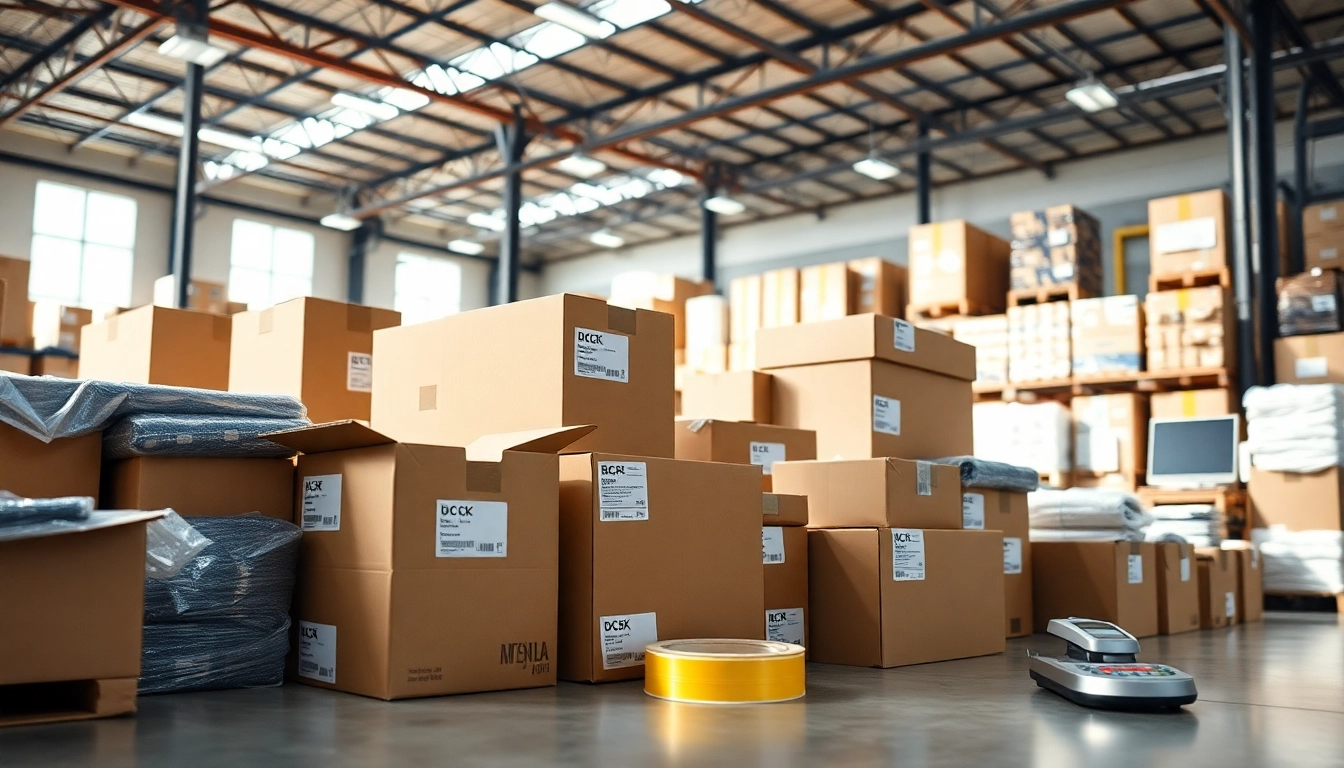
Understanding Amazon FBA Packaging Requirements
In the increasingly competitive world of e-commerce, the logistics of shipping products plays a crucial role in a seller's success. One prominent aspect of this process is the Amazon FBA Packaging guidelines, which dictate how products must be prepared for shipment to Amazon’s fulfillment centers. These requirements are designed to ensure that items are delivered safely and efficiently, reflecting both your brand and Amazon’s commitment to customer satisfaction.
Key Packaging Guidelines for Success
When preparing your packages for Amazon FBA, you must follow specific guidelines. These encompass dimensional weight, box sizes, and packaging integrity. For instance, general packaging limits include a maximum box size of 25 inches on any side and a maximum weight of 50 lbs. Furthermore, each package should be adequately cushioned to prevent damage during transit. Using appropriate fillers like bubble wrap or packing peanuts is essential for safeguarding fragile items.
Common Mistakes to Avoid
One of the most common pitfalls that sellers encounter is inadequate packaging, which can lead to damaged goods and negative customer feedback. Using boxes that are too large for the product can result in unnecessary movement during shipping, increasing the risk of damage. Additionally, overlooking compliance with Amazon’s labeling requirements can delay your shipments or result in additional fees. Always double-check packaging materials and ensure that your labels are clear and correctly placed.
Importance of Compliance with Amazon Standards
Adhering to Amazon’s packaging standards is not merely a suggestion; it is vital for ensuring that your products reach customers in excellent condition. Non-compliance can lead to products being rejected at the fulfillment center or incurring extra charges. Moreover, consistent adherence to these guidelines helps build your reputation as a reliable seller, leading to positive reviews and repeat business.
Types of Packaging Suitable for Amazon FBA
Boxes: Choosing the Right Size
The choice of box for your products is paramount. It’s essential to choose boxes that are the right size for your items; this minimizes movement and maximizes protection. Consider the dimensions and weight of your products to select a box that fits snugly without compromising on security. A well-fitted box not only protects your items but also optimizes shipping costs, as dimensional weight pricing can lead to higher fees for larger packages.
Utilizing Poly Bags Effectively
Poly bags are an excellent cost-effective option for certain types of products, especially those that are non-fragile and can benefit from visibility, such as apparel items. However, it’s crucial to adhere to Amazon's guidelines regarding poly bags, which stipulate that they must be transparent and have suffocation warnings clearly printed. Attention to detail here can prevent issues during the fulfillment process.
Specialty Packaging Options for Unique Products
For items that don’t conform to standard dimensions or require extra care, such as electronics or collectibles, specialty packaging might be necessary. This can include custom boxes or padded mailers, which provide added cushioning and protection. Selecting the right material, such as corrugated cardboard for fragile items, ensures that the products arrive intact, reinforcing the reliability of your brand.
How to Prepare Your Products for FBA
Step-by-Step Packing Process
Your packing process should be systematic and efficient. Start by organizing your workspace to ensure that you have all materials—boxes, poly bags, labels, and packing materials—within reach. Follow a checklist for each product type you ship, following Amazon's packaging requirements closely. This includes securely sealing boxes, ensuring no items shift during transport, and packing efficiently to minimize costs.
Labeling Guidelines for Amazon FBA Products
Proper labeling is essential for FBA success. Every item must have a scannable barcode (FNSKU) visibly attached to each unit. Furthermore, labels must be clear, securely affixed, and placed in the designated area on the packaging to avoid confusion and delays at the distribution center. Ensuring your labels are accurate and adhere to Amazon's specifications can streamline the process considerably.
Creating an Efficient Packing Station
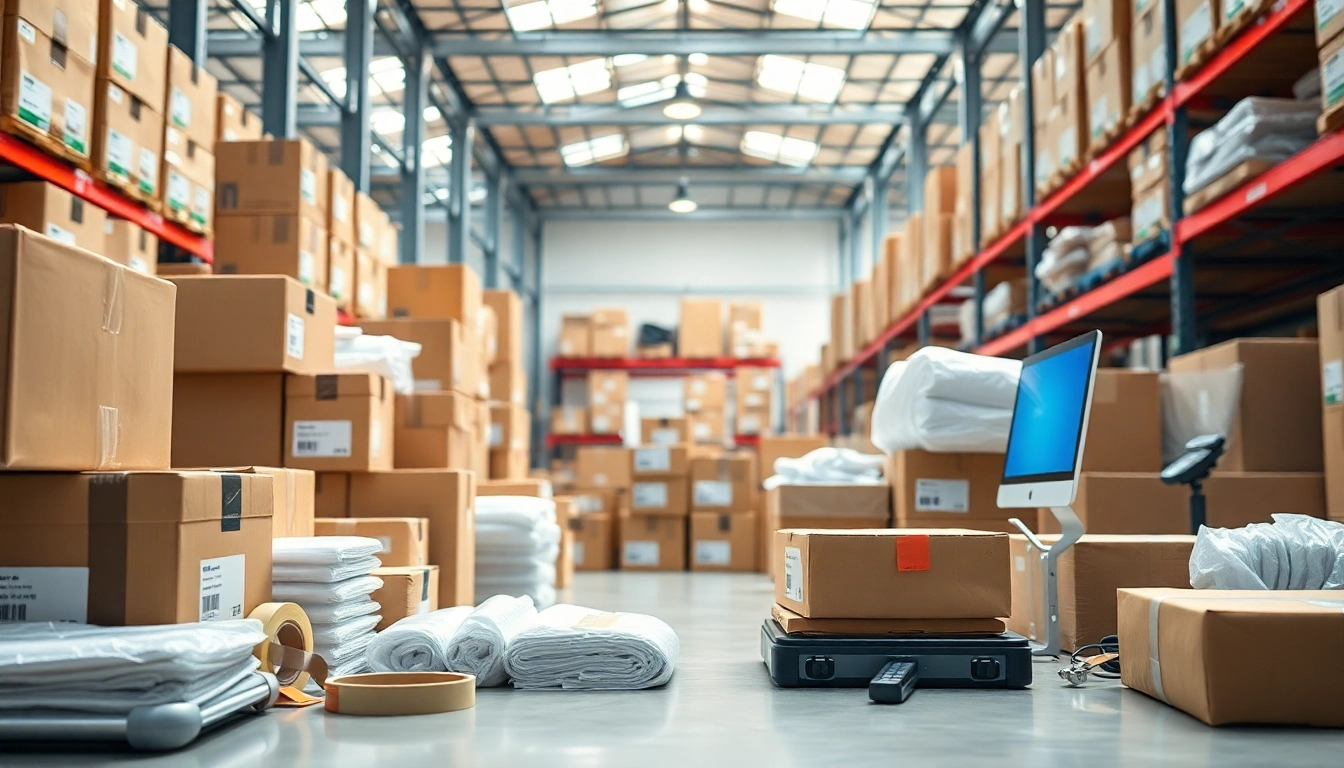
An efficient packing station can significantly speed up your process. Consider using shelves to keep materials like boxes and packaging tape organized. Including a workstation equipped with adequate lighting and tools such as label printers can optimize workflows. Streamlining your packing operations not only saves time but also minimizes errors and enhances your overall productivity.
Cost Considerations in Amazon FBA Packaging
Budgeting for Packaging Materials
To maintain profitability, it is critical to strategize your packaging budget. This involves selecting materials that are both cost-effective and compliant with Amazon’s guidelines. Additionally, identifying the right suppliers for your packaging materials can yield significant savings. Evaluate options such as bulk purchasing or establishing relationships with local suppliers to lower costs further.
Shipping Costs Associated with Packaging Choices
Your packaging choice directly affects shipping costs. Consider using lightweight packing materials that reduce dimensional weight charges. Moreover, consolidating shipments when possible can lead to lower shipping fees, enhancing your bottom line. Always evaluate the shipping costs related to various packaging options before committing to a selection.
Minimizing Waste and Maximizing Efficiency
Implementing sustainable packaging practices not only helps the environment but can also reduce costs. Investigate eco-friendly packaging materials that fulfill Amazon’s requirements while minimizing waste. Furthermore, optimizing your packing processes to use fewer materials without sacrificing product protection can enhance your efficiency. Track performance metrics to identify areas where waste can be minimized effectively.
Measuring Success: Performance Metrics for Amazon FBA Packaging
Customer Feedback and Satisfaction
Monitoring customer feedback is essential for understanding how your packaging impacts satisfaction. Encourage reviews that focus on the packaging of your products, and analyze this feedback to identify areas for improvement. High levels of customer satisfaction often correlate with well-packaged products that arrive undamaged, reinforcing your brand’s commitment to quality.
Return Rates Related to Packaging Issues
Evaluating return rates can provide insight into potential issues resulting from inadequate packaging. A rising return rate may indicate that products are being damaged in transit or that packaging is confusing to customers. Investigate the reasons behind returns and adjust your packing strategies to mitigate these instances moving forward, ultimately improving customer retention.
Analyzing Shipping Efficiency and Costs
Shipping efficiency can be assessed through several metrics, including the average time taken for packages to reach customers and the frequency of damaged items during transport. Regularly review your shipping data to identify trends or areas needing adjustment. Fine-tuning your supply chain and packaging processes in response to these insights can lead to substantial improvements in operational efficiency and cost-effectiveness.
Frequently Asked Questions about Amazon FBA Packaging
What are the key packaging requirements for Amazon FBA?
Key requirements include using six-sided boxes, ensuring all items are properly cushioned, adhering to maximum size and weight limits, and using scannable labels.
How do I ensure my packaging meets Amazon’s standards?
Adhering to Amazon's guidelines requires understanding their specific packaging requirements and continuously reviewing updates provided in their Seller Central.
What types of packaging materials are allowed?
Allowed materials include cardboard boxes, poly bags (with suffocation warnings), cushioning materials, and specialty packaging for unique items.
How can I optimize my shipping costs related to packaging?
Optimize costs by using lightweight materials, consolidating shipments, and evaluating bulk purchasing options to reduce expenditure on packaging supplies.
What should I do if my items frequently get returned due to packaging issues?
If returns are common, analyze the reasons cited for returns to identify packaging flaws, and adjust your packing methods based on customer feedback to improve.