
Introduction
Understanding Construction safety compliance hawaii is essential for contractors, developers, and site managers who want to operate legally and safely within the state. Hawaii’s construction industry is governed by strict safety standards designed to protect workers, reduce workplace accidents, and ensure that every project meets federal and state regulations. For companies like ABC Hawaii, staying aligned with Construction safety compliance hawaii requirements is not just a legal obligation but also a commitment to operational excellence and workforce well-being.
In recent years, enforcement of Construction safety compliance hawaii has become more rigorous due to increased construction activity and the need to maintain high safety standards across job sites. Whether working on residential, commercial, or infrastructure projects, understanding Construction safety compliance hawaii ensures that companies avoid penalties and maintain a strong reputation. This article provides a complete guide to the requirements, standards, and best practices related to Construction safety compliance hawaii, helping businesses build safely and responsibly.
Overview of Construction Safety Compliance in Hawaii
Importance of Regulatory Compliance
The foundation of Construction safety compliance hawaii lies in protecting workers from preventable hazards. Hawaii’s unique geographic and environmental conditions require tailored safety measures that go beyond standard construction practices. Employers must ensure that every aspect of their operations aligns with Construction safety compliance hawaii guidelines to minimize risk and improve job site safety.
A strong safety culture not only reduces accidents but also improves productivity and morale. Companies that prioritize Construction safety compliance hawaii demonstrate responsibility and professionalism, which is critical for winning contracts and maintaining client trust.
Key Governing Bodies
Several regulatory agencies oversee Construction safety compliance hawaii, including federal OSHA guidelines and Hawaii’s local labor departments. These agencies enforce rules that cover everything from equipment usage to worker training and hazard communication. Staying updated with Construction safety compliance hawaii regulations is essential because requirements may evolve based on industry trends and safety data.
Regulatory Framework and Legal Standards
OSHA and State-Level Requirements
At the core of Construction safety compliance hawaii is adherence to OSHA standards. These federal regulations are supplemented by Hawaii-specific rules that address local risks such as weather conditions, terrain challenges, and coastal construction hazards. Contractors must ensure that their operations fully comply with Construction safety compliance hawaii standards to avoid fines and work stoppages.
Regular inspections are conducted to verify that Construction safety compliance hawaii protocols are being followed on-site. Failure to meet these requirements can result in severe penalties, including project shutdowns or legal action.
Documentation and Reporting
Proper documentation is a critical part of Construction safety compliance hawaii. Employers must maintain accurate records of safety training, incident reports, and hazard assessments. These records demonstrate ongoing commitment to Construction safety compliance hawaii and are often required during audits or inspections.
Without proper documentation, even minor violations can escalate into major compliance issues, making record-keeping a vital aspect of Construction safety compliance hawaii management.
Key Safety Requirements on Construction Sites
Personal Protective Equipment (PPE)
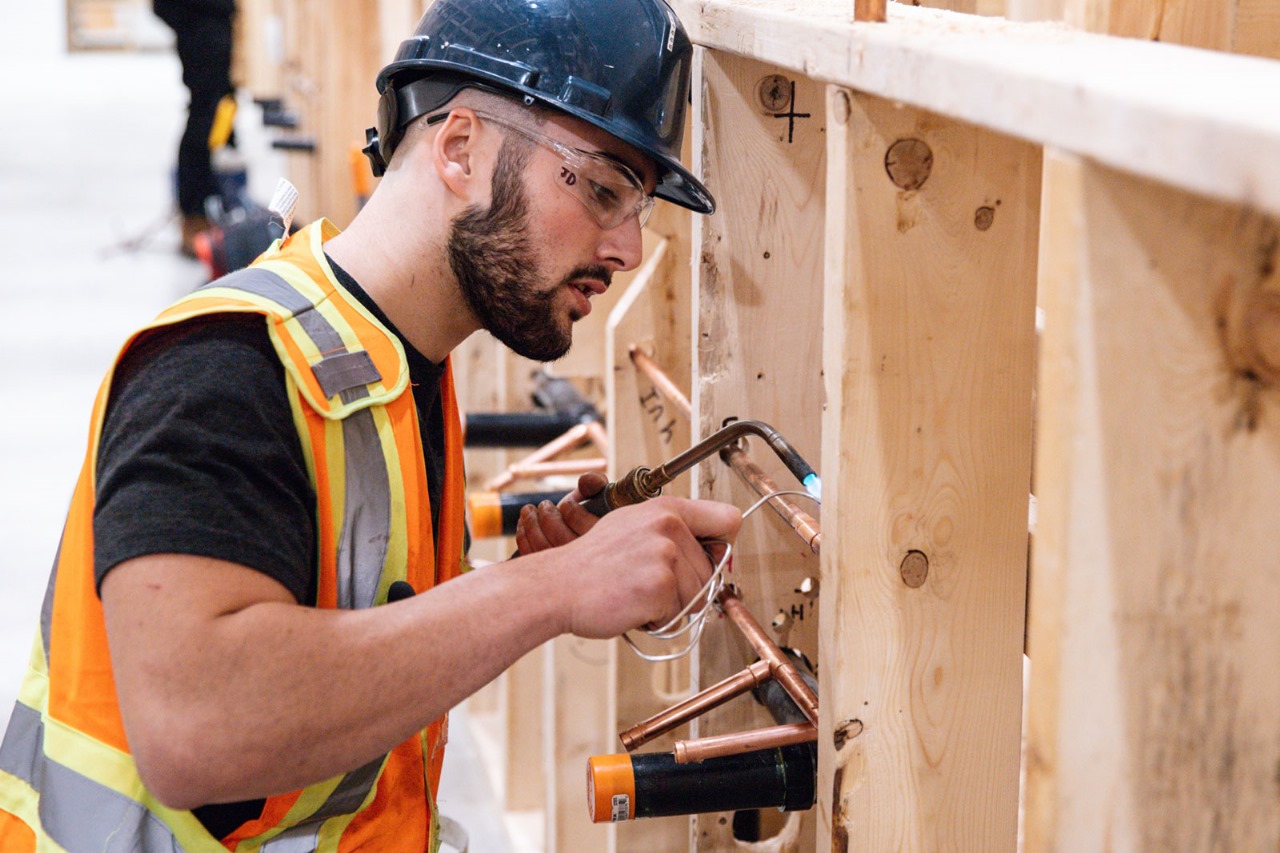
One of the most fundamental aspects of Construction safety compliance hawaii is the use of personal protective equipment. Hard hats, gloves, safety boots, and eye protection are mandatory on most job sites. Ensuring proper PPE usage is a core requirement of Construction safety compliance hawaii, helping reduce the risk of injury from falling objects, sharp tools, and hazardous materials.
Employers must also regularly inspect PPE to ensure it meets safety standards outlined under Construction safety compliance hawaii regulations.
Hazard Communication and Site Safety
Clear communication of hazards is another essential element of Construction safety compliance hawaii. Workers must be informed about potential dangers through signage, training sessions, and safety briefings. This ensures that everyone on-site understands and follows Construction safety compliance hawaii protocols effectively.
Site safety plans must be updated regularly to reflect changing conditions and ensure ongoing adherence to Construction safety compliance hawaii standards.
Equipment Safety and Maintenance
Proper maintenance of construction equipment is crucial for Construction safety compliance hawaii. All machinery must be regularly inspected and serviced to prevent malfunctions that could lead to accidents. Equipment safety protocols are a core part of Construction safety compliance hawaii, ensuring that tools and machines operate safely and efficiently.
Training and Implementation Strategies
Worker Safety Training Programs
Training is a cornerstone of Construction safety compliance hawaii. Workers must undergo regular safety training sessions to stay updated on best practices and regulatory changes. These programs are designed to reinforce Construction safety compliance hawaii principles and ensure that all employees understand how to handle workplace hazards.
Effective training reduces accidents and strengthens the overall safety culture, which is essential for maintaining Construction safety compliance hawaii across all projects.
Supervisory Roles in Compliance
Supervisors play a critical role in enforcing Construction safety compliance hawaii on-site. They are responsible for monitoring worker behavior, ensuring safety protocols are followed, and addressing violations immediately. Strong leadership is key to maintaining Construction safety compliance hawaii standards consistently.
Common Challenges and Practical Solutions
Environmental and Weather Challenges
Hawaii’s weather conditions can pose unique challenges to Construction safety compliance hawaii. Heavy rain, strong winds, and coastal exposure require additional safety measures. Contractors must adapt their strategies to ensure continuous Construction safety compliance hawaii despite environmental challenges.
Cost and Resource Management
Maintaining Construction safety compliance hawaii can sometimes increase project costs due to training, equipment, and inspections. However, these costs are far lower than the potential consequences of non-compliance. Businesses that invest in Construction safety compliance hawaii benefit from fewer accidents and reduced liability risks.
Maintaining Consistency Across Projects
Ensuring consistent application of Construction safety compliance hawaii across multiple job sites can be difficult. Standardized procedures, regular audits, and centralized safety management systems help maintain uniform Construction safety compliance hawaii practices across all operations.
Role of ABC Hawaii in Safety Compliance
ABC Hawaii plays an important role in promoting and supporting Construction safety compliance hawaii across various construction projects. By prioritizing safety education, implementing strict site protocols, and ensuring continuous monitoring, ABC Hawaii helps set a high standard for Construction safety compliance hawaii in the industry.
The company integrates Construction safety compliance hawaii principles into every stage of its operations, from planning to execution. This ensures that projects are completed safely, efficiently, and in full accordance with regulatory expectations. ABC Hawaii’s commitment to Construction safety compliance hawaii demonstrates its dedication to protecting workers and delivering high-quality results.
Conclusion
In conclusion, Construction safety compliance hawaii is a critical requirement for any construction project operating in the state. It ensures worker safety, legal adherence, and operational efficiency across all job sites. By understanding and implementing Construction safety compliance hawaii standards, companies can significantly reduce risks and improve overall performance.
From regulatory frameworks to training programs and equipment safety, every aspect of Construction safety compliance hawaii plays a vital role in maintaining a safe working environment. Businesses like ABC Hawaii continue to emphasize the importance of Construction safety compliance hawaii to uphold industry standards and protect their workforce. Ultimately, prioritizing Construction safety compliance hawaii is not just about meeting legal requirements—it is about building a culture of safety, responsibility, and long-term success in the construction industry.