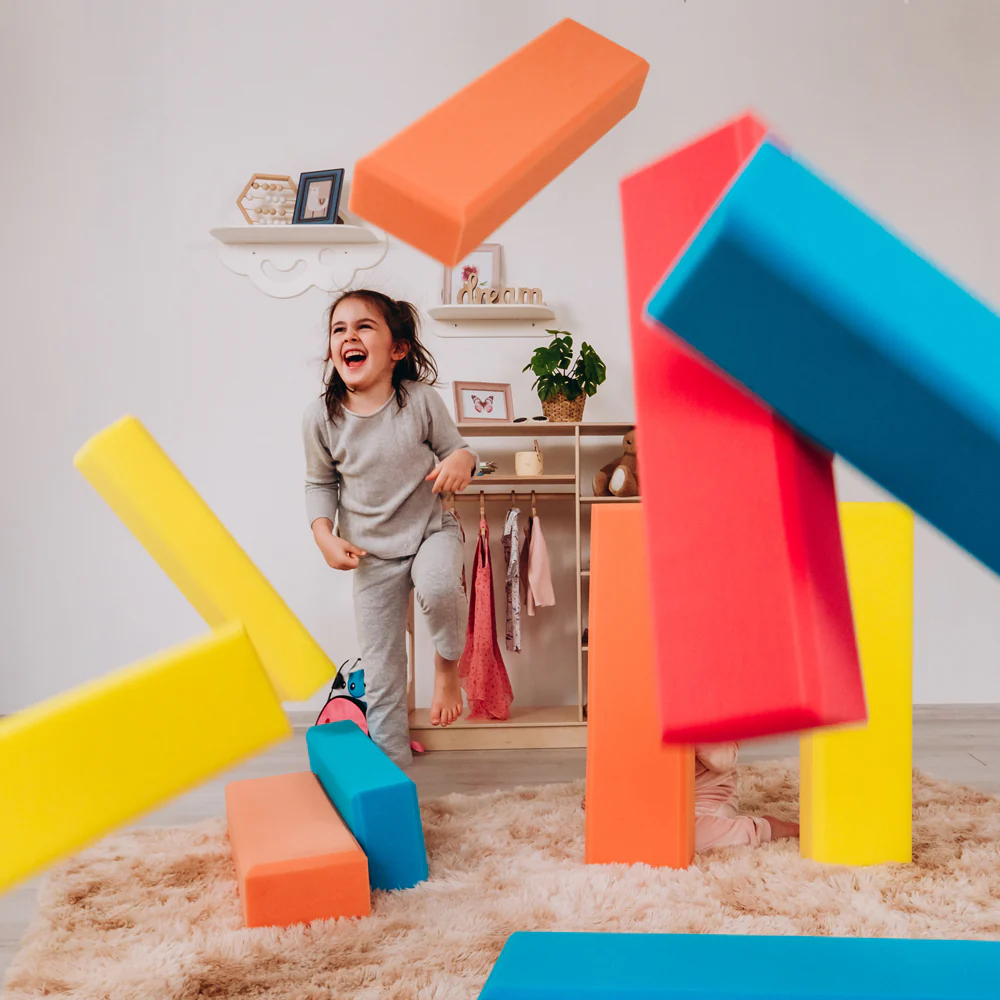
Introduction to Giant Foam Building Blocks
Giant foam building blocks offer a unique and engaging way for children to explore their creativity and develop essential skills through play. These versatile blocks are not only fun but also contribute to a child's physical, social, and cognitive development. From free play to structured activities, giant foam building blocks cater to various age groups and play styles. For those looking to dive deeper into the world of foam blocks, don't forget to get the details on how to choose and utilize these fantastic toys.
The Basics of Giant Foam Blocks
Giant foam building blocks are large, lightweight, and safe construction toys designed primarily for children. Made from high-density foam, these blocks come in various shapes and sizes, enabling kids to build anything from simple structures to elaborate designs. Their soft surfaces make them perfect for indoor play, while their durability allows them to withstand the rigors of imaginative building.
Benefits of Using Foam Blocks for Play
Foam building blocks provide numerous benefits for children. These include:
- Physical Development: Carrying, stacking, and building with foam blocks enhance fine and gross motor skills. Children learn coordination and balance as they manipulate the blocks.
- Cognitive Growth: Engaging with foam blocks encourages problem-solving capabilities and cognitive flexibility. Children experience cause and effect as structures fall and are rebuilt.
- Social Skills: Foam blocks offer collaborative play opportunities, encouraging teamwork, communication, and the development of social bonds among peers.
- Creativity and Imagination: With no specific instructions or limitations, children are free to create whatever they can imagine, fostering creativity and innovative thinking.
Safety Features to Consider
When choosing giant foam blocks, safety is paramount. Parents should look for:
- Non-toxic Materials: Foam blocks should comply with safety standards to ensure that they are free from harmful chemicals.
- Soft Edges: Blocks with rounded or soft edges minimize the risk of injury during play.
- Sufficient Size: Large blocks prevent choking hazards, making them safe for younger children.
Creative Play Ideas
Structure Building Concepts
Creating structures with foam blocks can be an exciting challenge for kids. Here are a few ideas to inspire imaginative construction:
- Castles and Forts: Children can build their own kingdoms with towers, walls, and moats, letting their imagination lead the way.
- Bridges: Encourage children to design interconnected structures that span across gaps, learning about balance and stability in the process.
- Vehicles: From cars to spaceships, kids can create their own modes of transportation, incorporating other toys into their builds.
Games and Activities to Engage Children
Incorporating games into playtime can enhance the fun factor while offering educational benefits. Try these engaging activities:
- Building Races: Set a timer and see who can build the tallest structure in a minute, encouraging both speed and creativity.
- Block Toss: Create a game where kids toss smaller blocks into a large structure, teaching hand-eye coordination and teamwork.
- Storytime Builds: Read a story and have children build scenes or characters from the narrative, blending literacy with physical play.
DIY Projects Using Giant Foam Blocks
Parents and educators can take foam block play to the next level with DIY projects. Here are a couple of fun ideas:
- Colorful Clustering: Use different colors of foam blocks to teach colors and counting. Kids can group blocks and learn while playing.
- Themed Builds: Create themed building challenges that correspond with holidays or events, such as building a pumpkin for Halloween or a snowman for winter.
Choosing the Right Foam Blocks
Size and Shape Considerations
When selecting foam blocks, size and shape play a crucial role in fostering creativity and safe play. Larger blocks are easier for younger kids to handle, while varied shapes encourage unique construction possibilities. Assess the age group of your children and choose appropriately sized blocks that stimulate their interest and engagement levels.
Material Quality and Safety Standards
Prioritizing quality and safety means selecting blocks made from high-quality, durable materials. Seek foam blocks that meet safety certifications and are resistant to wear, ensuring longevity and safety during play.
Cost vs. Value: What to Look For
While budget is a factor in purchasing foam blocks, consider the long-term value. Higher-quality blocks may cost more upfront, but their durability and safety features can lead to longer usage. Look for sets that include various shapes and sizes to maximize play opportunities.
Building Indoor Adventures
Designing a Play Space for Maximum Fun
Creating an engaging environment for foam block play involves designing a dedicated space that sparks creativity. Use open areas with soft flooring and ample room for building and movement. Consider visual elements like colorful wall decals to encourage imaginative play themes.
Incorporating Other Toys and Play Elements
Foam blocks can work harmoniously with other toys and play elements. Include items such as dolls, action figures, or even musical instruments to create a rich, multi-dimensional play experience. Encourage children to integrate these elements into their constructions for enhanced storytelling opportunities.
Seasonal Themes and Events
Seasonal themes can offer fresh perspectives on foam block play. Organize building challenges or events based on current holidays or seasons, such as creating a winter wonderland with blocks or a summer beach scene. This keeps playtime exciting and relevant throughout the year.
FAQs About Giant Foam Blocks
What ages are foam building blocks suitable for?
Foam building blocks are generally suitable for children aged 1 and up, offering varieties that cater to different developmental skills and safety considerations.
How do I clean and maintain foam blocks?
Foam blocks can be cleaned with mild soap and water. Regularly sanitize them to maintain hygiene, especially if used by multiple children.
Can foam blocks be used outdoors?
Yes, many foam blocks are suitable for outdoor play. However, it’s important to consider weather conditions, as prolonged exposure to moisture can damage them.
What are the environmental benefits of foam blocks?
Foam blocks are often made from recycled materials, contributing to environmental sustainability. They are also durable, reducing waste from frequent replacements.
How do foam blocks support child development?
Foam blocks enhance physical, emotional, and cognitive development by promoting motor skills, teamwork, problem-solving, and imaginative play in a safe environment.