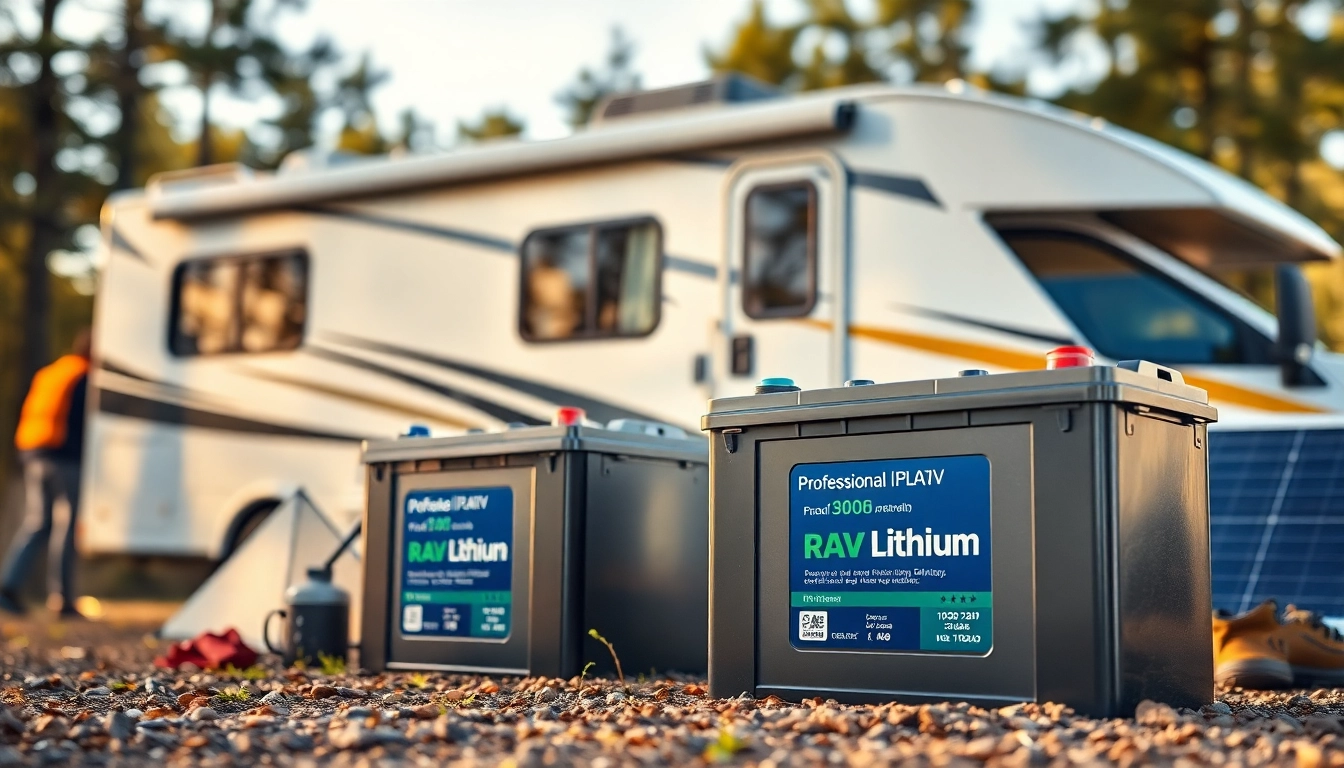
Understanding Lithium RV Batteries
Lithium RV batteries are a revolutionary advancement in energy storage technology for recreational vehicles, providing a more efficient and sustainable power solution compared to traditional lead-acid batteries. These batteries are pivotal for modern RV enthusiasts keen on maximizing the performance and usability of their vehicles. Their lightweight nature, faster charging capability, and longevity make them an attractive choice for camping and off-grid adventures. To explore high-performing options, such as lithium RV batteries, is crucial for enhancing your camping experience.
What Are Lithium RV Batteries?
Lithium RV batteries are a type of rechargeable battery that uses lithium ions as the primary component of its electrochemistry. These batteries are designed specifically to endure the deep cycle charge and discharge cycles common in RV applications. Unlike traditional lead-acid batteries, lithium batteries feature a flat discharge curve, meaning they maintain a stable voltage throughout the discharge cycle, which is essential for supporting sensitive electronic appliances within an RV.
Benefits Over Traditional Lead-Acid Options
One of the most compelling reasons for RV owners to switch to lithium batteries is their superior lifespan. While lead-acid batteries typically last around 2-3 years with regular use, lithium batteries can last up to 10 years or more, making them a more cost-effective choice in the long run. Moreover, lithium batteries can be discharged to a much lower depth (up to 80-90%) without damage, unlike lead-acid batteries, which can be damaged if discharged below 50% capacity. Furthermore, lithium batteries offer much faster charging times—often up to 5 times faster than their lead-acid counterparts—allowing for greater availability of power, especially during long trips where time efficiency is crucial.
Key Features and Specifications
- Lightweight: Lithium batteries are significantly lighter, making them easier to handle and install.
- High Energy Density: They have a higher energy density, which means more energy is packed into a smaller size.
- Fast Charging: Capable of being fully charged in 1-3 hours.
- Temperature Resilience: Operate efficiently across a wide temperature range.
- Safety Features: Built-in safety mechanisms minimize risks of overheating and overcharging.
Choosing the Right Lithium RV Batteries
Factors to Consider Before Buying
When selecting Vatrer Power lithium RV batteries, consider the following factors:
- Capacity: Measured in Amp-hours (Ah), capacity dictates how much power can be stored; select a size based on your energy needs.
- Discharge Rate: Assess how quickly you will need to draw power. Choose a battery that can handle your anticipated usage without stressing it.
- Dimensions and Weight: Ensure that the battery fits well within the designated space in your RV and is manageable for installation.
- Warranty and Support: Look for batteries backed by a good warranty and customer support for peace of mind.
- Brand Reputation: Research brands that have established themselves as leaders in lithium battery technology.
Understanding Battery Capacity and Voltage
The capacity is a crucial specification you should understand. A 100Ah lithium battery equates to approximately 1,200 watt-hours, which can power a 120W fridge for about 10 hours. Voltage is also essential, especially to ensure compatibility with your RV’s systems, commonly 12V, 24V, or 48V setups.
Top Brands and Recommendations
While specific brands cannot be mentioned, look for well-reviewed and reputable manufacturers that specialize in lithium batteries for RVs and leisure vehicles. Ensure to compare specifications, customer experiences, and warranty offerings to make an informed decision.
Installation and Maintenance of Lithium RV Batteries
Best Practices for Installation
Installing 12V 300Ah Lithium Battery involves following best practices to ensure safety and efficiency:
- Read the Manual: Always consult the manufacturer’s instructions for specific installation guidelines.
- Use Proper Tools: Ensure you have all necessary tools for mounting and connection—this may include wrenches, screwdrivers, and brackets.
- Check Connections: Securely attach battery terminals, checking for corrosion and ensuring tight fits.
- Fuses and Breakers: Incorporate proper fuses and breakers to protect from potential electrical faults.
Regular Maintenance Tips
To maximize your lithium battery's lifespan:
- Regularly inspect connections for corrosion or wear.
- Keep the battery clean and dust-free.
- Monitor charging cycles to avoid overcharging.
Troubleshooting Common Issues
If you encounter issues, consider these troubleshooting steps:
- Battery Not Charging: Check the connections, ensure the charger is functioning, and verify voltage settings.
- Low Power Supply: Confirm the depth of discharge isn’t too low and assess your energy demands.
- Overheating: Ensure proper ventilation and check for any faulty connections or damage.
Maximizing Performance of Lithium RV Batteries
Energy Management Strategies
Adopting effective energy management practices can significantly extend the performance of your lithium RV batteries. Implement routines to track energy usage, adjusting loads as necessary to avoid excessive drain. Tools such as battery monitors can help assess real-time usage and battery health.
Using Solar Solutions
Integrating solar panels with your lithium battery setup is one of the best ways to maximize energy sustainability. Solar panels can continuously recharge your batteries during the day, providing an eco-friendly power source. Assess your roof space for panel installation, and consider your average energy consumption when selecting panel capacity.
Enhancing Your RV's Energy Efficiency
Besides battery technology, ensure your RV is energy efficient by upgrading to LED lighting, minimizing appliance usage, and incorporating smart energy management devices. These small changes can have a significant impact on overall power consumption and battery performance.
Frequently Asked Questions about Lithium RV Batteries
Are lithium batteries worth the investment for RVs?
Yes, lithium batteries are worth it for RVs, especially for frequent users. They offer longer lifespans, improved efficiency, and rapid charging capabilities compared to lead-acid batteries, often resulting in cost savings in the long run.
How long do lithium RV batteries typically last?
Lithium RV batteries can last between 10 to 15 years, depending on usage, maintenance, and cycling habits, significantly outlasting traditional lead-acid alternatives.
What is the ideal charging method for lithium RV batteries?
The ideal charging method for lithium RV batteries involves using a compatible lithium charger specifically designed to prevent overcharging, which can improve battery health and longevity.
Can lithium batteries power my appliances?
Yes, lithium batteries can power your RV appliances, including refrigerators, air conditioners, and lighting systems, as long as the total load does not exceed the battery's capacity.
What maintenance do lithium RV batteries require?
Lithium batteries require minimal maintenance compared to lead-acid batteries. Regularly check connections, keep them clean, and monitor the battery management system to ensure safe operation.