Understanding Brain Tumors and Surgery
Brain tumors represent a significant health concern globally, affecting thousands of individuals each year. The complexity of these tumors, combined with their potential to disrupt vital bodily functions, makes understanding both the nature of brain tumors and the surgical options available crucial for patients and their families. beyin tümörü ameliyatı remains one of the most effective treatments, employing advanced techniques to maximize outcomes while minimizing risks. This article delves into the various types of brain tumors, surgical procedures, post-operative care, and the latest advancements in treatment.
What is a Brain Tumor?
A brain tumor is an abnormal mass of tissue in the brain that results when cells divide and grow uncontrollably. Unlike healthy cells, which grow and divide in an orderly way, tumor cells continue to grow and form new cells when the body does not need them. Brain tumors can be benign (non-cancerous) or malignant (cancerous) and can originate from brain cells or metastasize from other parts of the body.
Types of Brain Tumors and Their Characteristics
- Meningiomas: These tumors arise from the meninges, the protective membranes covering the brain and spinal cord. They are often benign and slow-growing.
- Gliomas: Originating from glial cells, gliomas include astrocytomas, oligodendrogliomas, and the most aggressive form, glioblastoma multiforme (GBM).
- Metastatic Tumors: These tumors occur when cancer cells spread to the brain from another part of the body. They are often associated with late-stage cancer.
Signs and Symptoms Indicating Surgery
The symptoms of brain tumors can vary widely depending on their size and location. Common signs include persistent headaches, seizures, vision or hearing problems, and changes in cognitive functions. If a brain tumor induces significant pressure on surrounding structures or impacts neurological functions, surgical intervention may be necessary.
Preparing for Brain Tumor Surgery
Preparation for brain tumor surgery is essential to ensure a successful outcome. The process involves comprehensive evaluation and collaboration among healthcare professionals.
Consultation and Diagnosis Procedures
The initial step typically includes consultations with a neurologist and a neurosurgeon. Diagnostic imaging techniques, such as MRI or CT scans, are vital for identifying the tumor's location, size, and type.
Pre-Surgical Assessments and Tests
Patients often undergo various assessments, including blood tests and neurological evaluations, to ensure they are fit for the procedure. Pre-operative imaging may also be repeated to update the surgical plan.
Patient Education on Surgical Processes
Educating patients about what to expect before, during, and after surgery is critical. Understanding potential risks and benefits helps to alleviate anxiety and prepares them mentally for the procedure.
The Surgical Procedure Explained
Brain tumor surgeries are complex procedures that require precision and expertise. Here’s a deeper look at the surgical process and techniques involved.
What Happens During Brain Tumor Surgery?
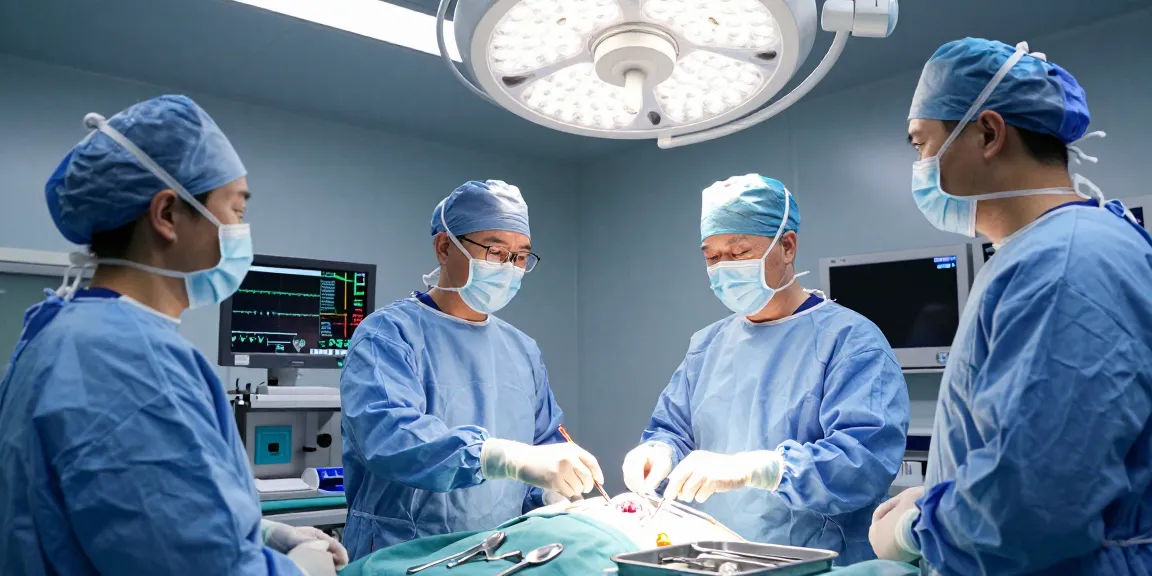
Once the patient is anesthetized, the surgeon makes an incision in the scalp and removes a section of the skull (craniotomy) to access the tumor. Advanced techniques, such as intraoperative MRI or neuronavigation, are often used to ensure accurate targeting of the tumor while preserving surrounding healthy tissue.
Techniques Used in Neurosurgery: From Craniotomy to Awake Surgery
Neurosurgery involves different techniques based on the tumor's characteristics. Awake brain surgery, for instance, allows surgeons to interact with patients during the procedure to minimize the risk of neurological damage, especially in areas responsible for speech and movement.
Managing Risks and Complications During Surgery
Every surgical procedure carries inherent risks, including infection, bleeding, and potential neurological deficits. Surgeons take extensive precautions to mitigate these risks, using meticulous techniques and advanced technology.
Post-Surgery Recovery and Care
The post-operative phase is critical for patient recovery and can significantly impact the surgical outcome. Understanding the recovery protocols helps patients and caregivers navigate this period.
What to Expect After Brain Tumor Surgery?
After surgery, patients are monitored closely in a recovery room. Common post-operative symptoms may include headaches, fatigue, and neurological changes depending on the tumor's location. Most patients are observed for several days before being discharged.
Follow-Up Care and Monitoring
Follow-up care is crucial for monitoring recovery and detecting any recurrence of the tumor. Regular MRI scans and clinical evaluations are typically scheduled to assess the patient's status post-surgery.
Signs of Complications to Watch For
Patients should be educated about signs indicating potential complications, including worsening headaches, seizures, or sudden changes in vision or motor skills. Prompt communication with healthcare providers is essential for addressing any concerns that arise.
Innovative Treatments and Future Trends
The field of neurosurgery is constantly evolving, with research focused on improving patient outcomes through innovative treatments.
Role of Gamma Knife and Stereotactic Surgery
Stereotactic radiosurgery, including technologies such as the Gamma Knife, provides non-invasive treatment options for brain tumors. This approach can target tumors with high doses of radiation while sparing surrounding healthy tissue, making it an attractive alternative for patients who are not suitable for conventional surgery.
Emerging Technologies in Neurosurgery
Technological advances like robotic-assisted surgery, augmented reality, and AI-driven imaging are transforming how brain surgeries are performed, enhancing precision and safety.
Trends in Brain Tumor Treatment for 2026 and Beyond
As research continues, personalized medicine is becoming increasingly important. The incorporation of genetic profiling will allow for tailored treatment plans that consider the unique characteristics of each patient's tumor.
What Are Patients Asking About Brain Tumor Surgery?
Patients often have numerous questions about brain tumor surgery, including recovery time, potential complications, and long-term outcomes. Addressing these concerns transparently can help build trust and improve patient satisfaction.
How Is the Success of Surgery Measured?
Success is typically measured by the extent of tumor resection, improvement in neurological function, and absence of recurrence during follow-up assessments. Clear communication regarding these factors with patients can help set realistic expectations.
What Resources Are Available for Patients?
Support resources are critical for patients and their families. For more information, beyin tümörü ameliyatı offers valuable insights. Organizations offer information, counseling, and support groups to help navigate the emotional and practical challenges associated with brain tumors.